bacterial flagellum Type post Author David Coppedge Date May 5, 2022 CategoriesBiologyEvolutionIntelligent Design Tagged , bacterial flagellum, Darwinists, E. coli, evolution, friction, gears, Harvard University, Howard Berg, hyperdrive, intelligent design, magnetotactic bacteria, microbes, PNAS, Proceedings of the National Academy of Sciences, thrust, torque Get a Load of This Souped-Up Hyperdrive Magnetotactic Bacterium David Coppedge May 5, 2022 Biology, Evolution, Intelligent Design 7 "MO-1 is a magnetotactic bacterium capable of orienting its cell body along the geomagnetic field lines by using magnetosomes." Read More ›
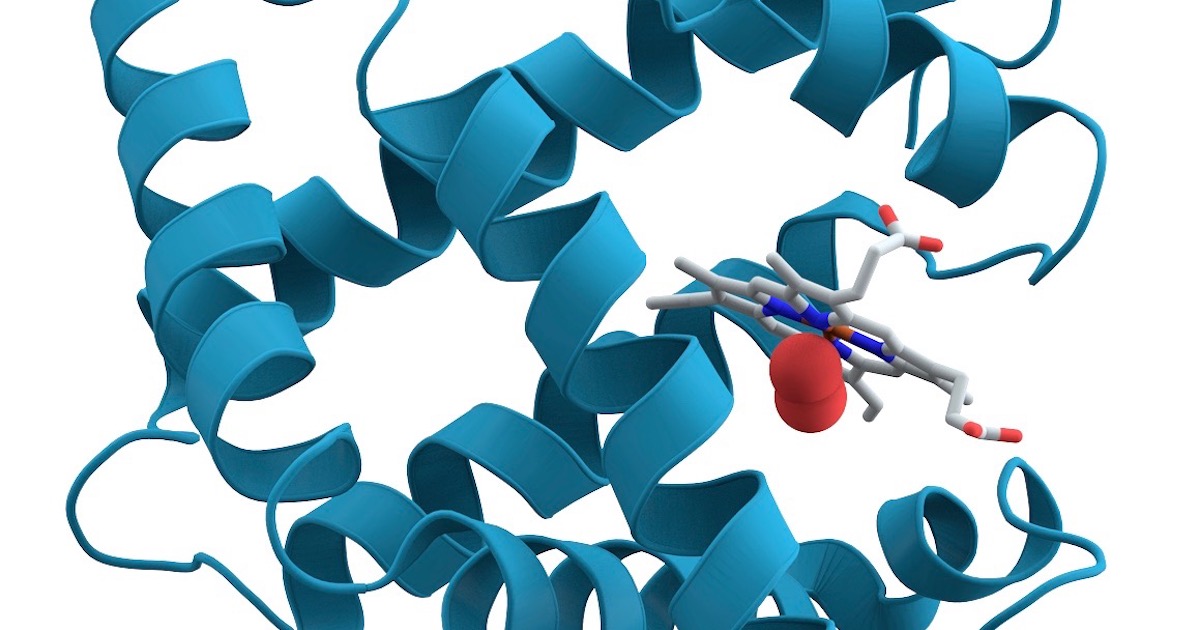
Myoglobin Type post Date December 16, 2020 CategoriesEvolutionIntelligent Design Tagged , AlphaFold, amino-acid sequences, artificial intelligence, chaperones, DeepMind, DNA, Douglas Axe, engineers, enzymes, Evolution News, evolutionary algorithms, Ewen Callaway, Go (game), hyperdrive, intelligent design, Nature News, No Free Lunch, Nobel Prize, proteins, reverse-engineering, Science (journal), Signature in the Cell, Undeniable (book), University of Maryland, William A. Dembski Protein Folding Breakthrough: Evolution or Design? Science and Culture December 16, 2020 Evolution, Intelligent Design 8 DeepMind, the AI company that beat human Go gamers with AlphaGo, has made progress in solving the protein folding problem. But who deserves the credit? Read More ›