






































Science and Culture Today Discovering Design in Nature
Topic

Fossil Friday (series)
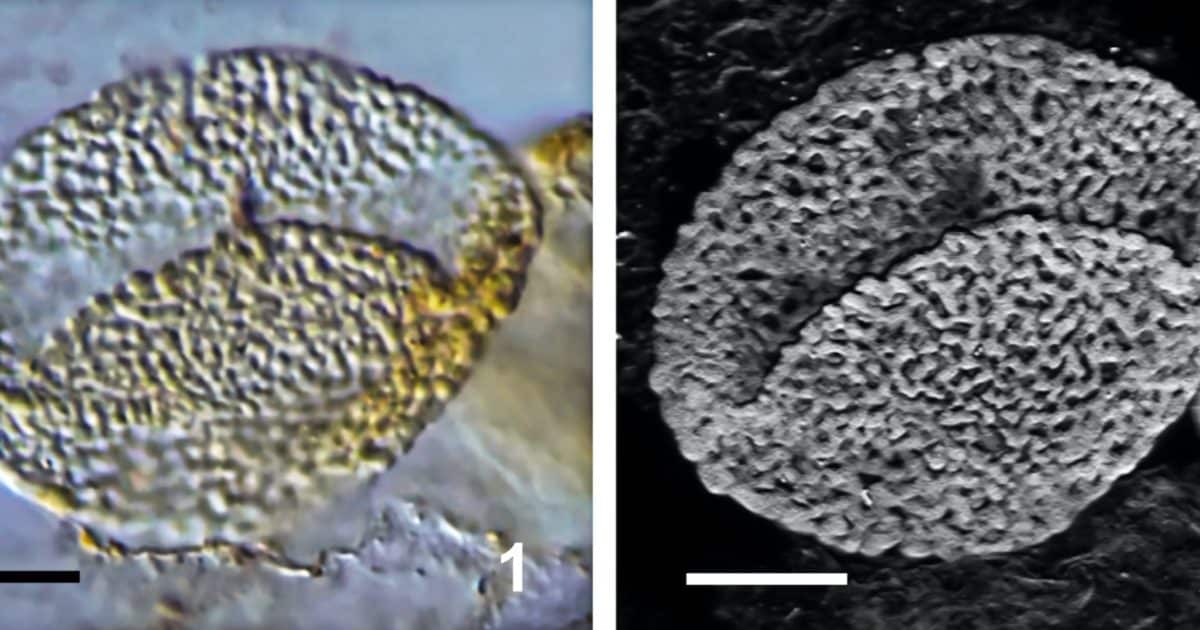
Triassic Pollen
Photo: Angiosperm-like pollen Type I from the Middle Triassic of Switzerland, modified after Hochuli & Feist-Burkhardt 2013 in Frontiers, CC BY 4.0.

Fossil Friday: Is Triassic Angiosperm-Like Pollen a Solution to Darwin’s Abominable Mystery?

There is one remaining issue to address, which is palynology, the science of fossil pollen. Read More ›
piltdownfly
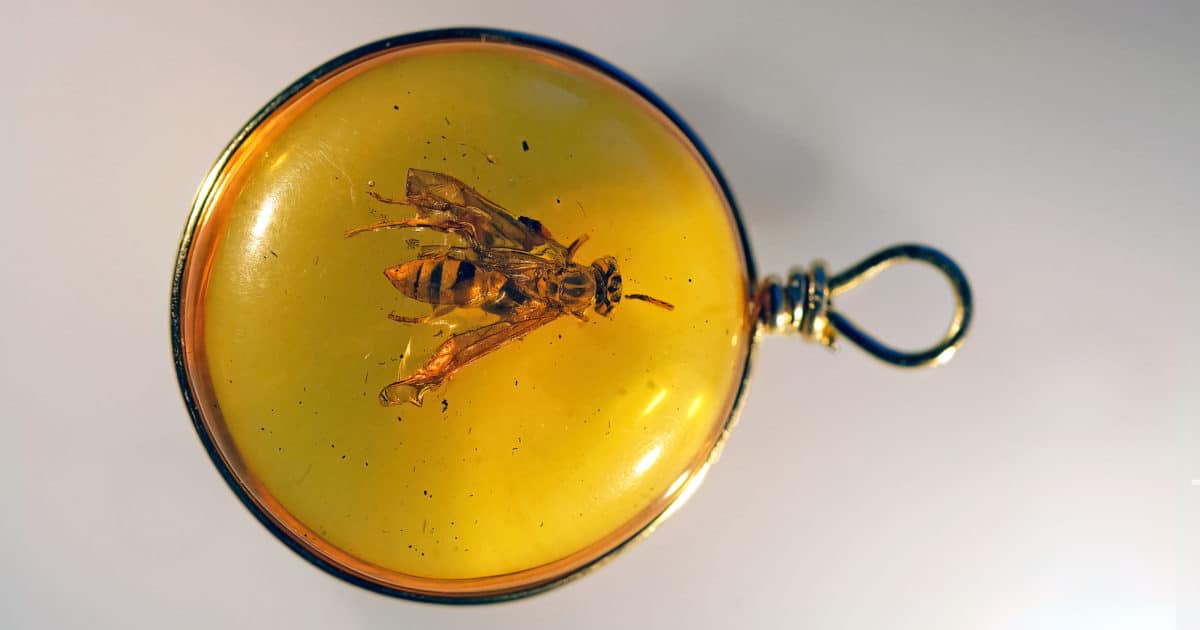
Photo: Mexican amber forgery of a wasp in artificial resin, coll. SMNS, Bechly 2015.

Fossil Friday: Fake Amber and the Piltdown Fly
Such simple forgeries are commonly sold to tourists in Mexico, the Dominican Republic, Eastern Europe, and Eastern Asia. Read More ›
Florigerminis
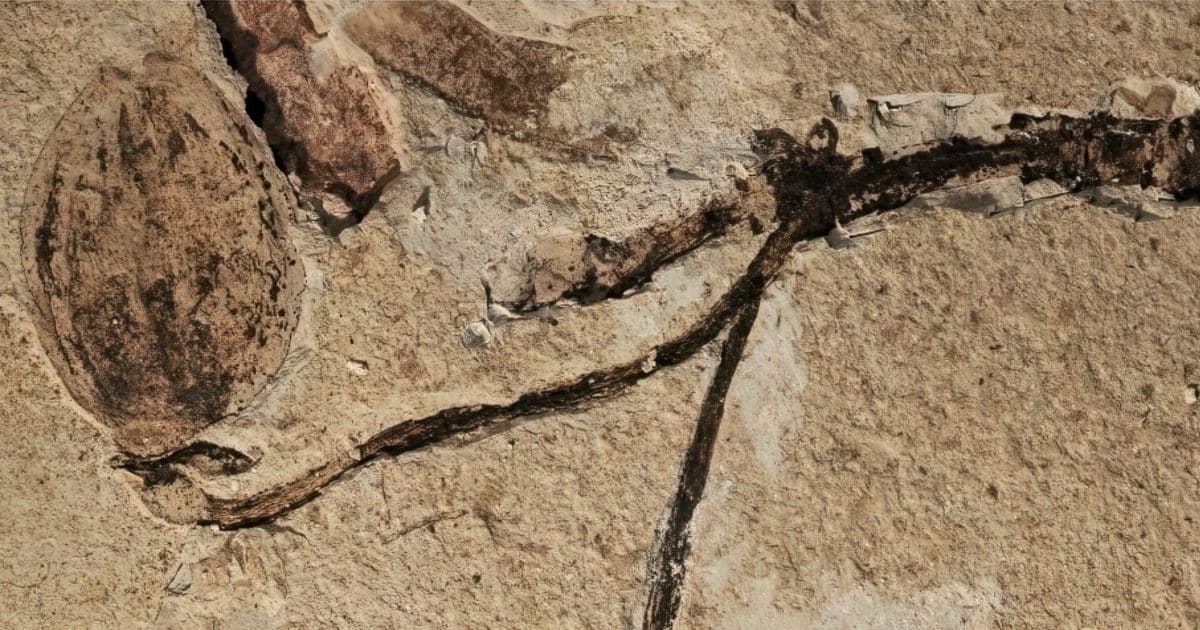
Photo: Florigerminis jurassica, NIGPAS 2022, fair use.

Fossil Friday: Florigerminis, Another Failed Candidate for a Jurassic Flowering Plant

You are in good company if you are as skeptical about these claims as I am myself. Read More ›
Earwig
Photo: Cratoborellia gorbi, paratype MSF Z10, G. Bechly 2006.

Fossil Friday: The Complex Wing Folding of Earwigs
This highly complex mode of wing folding is one of the many examples of engineering marvels in insects that strongly suggest intelligent design. Read More ›
Desmostylia
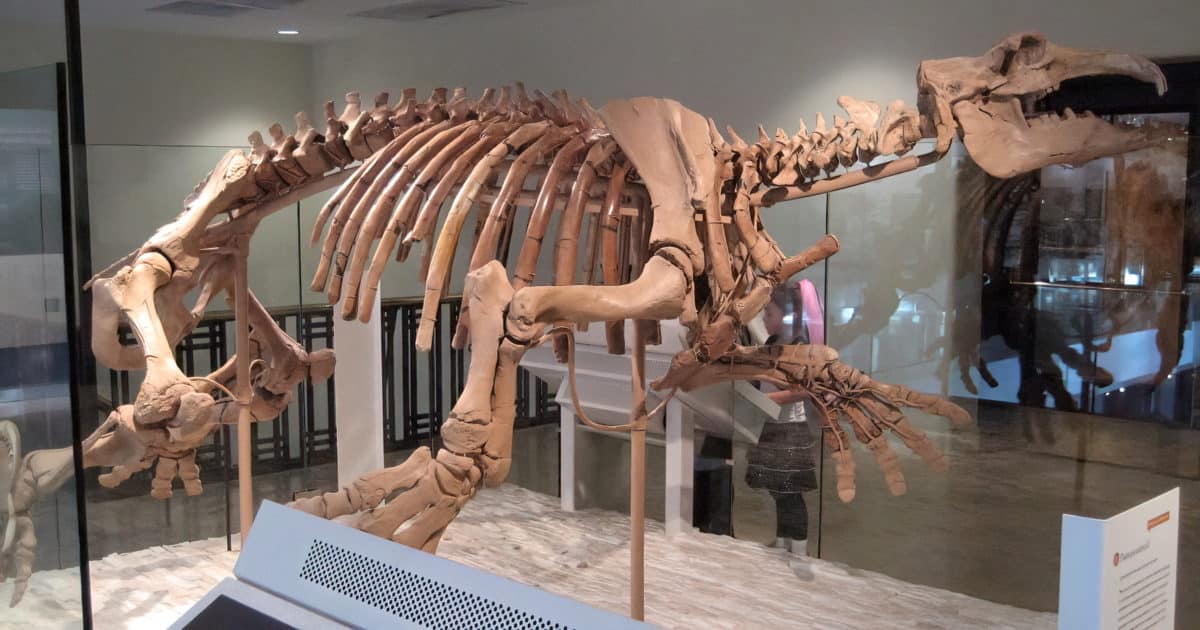
Photo: Neoparadoxia cecilialina, Darwin’s Bulldog at Wikimedia, CC0 1.0 Public Domain.

Fossil Friday: Desmostylia, and the Problem of Horizontal Tooth Displacement
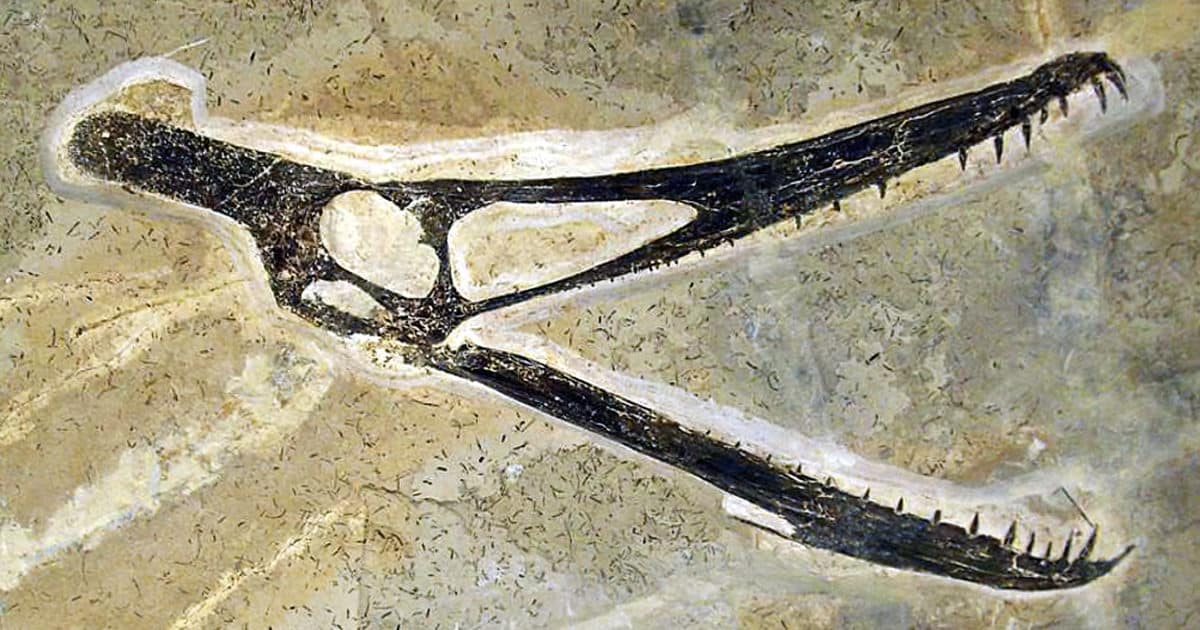
Nature appears to be deceptive. Are Darwinists bothered by such problems? Not at all. Read More ›
Pterosaur
Photo: Ludodactylus sibbicki, by G. Bechly 2008.

Fossil Friday: Ludodactylus and the Origin of Pterosaurs

Outside of Darwinian fantasy land, we lack any transitional fossils to document an assumed gradual evolutionary development of characteristic pterosaur wings. Read More ›
Angiosperm
Photo: Undescribed putative angiosperm from the Crato Formation, by G. Bechly 2008.

Fossil Friday: Flowering Plants — Darwin’s Abominable Mystery

Flowering plants or angiosperms appear abruptly in the fossil record of the Lower Cretaceous (about 130 million years ago). Read More ›
Eurotamandua
Photo: <I>Eurotamandua joresi</I> holotype, by Günter Bechly 2009.

Fossil Friday: Eurotamandua — Anteater or Not Even Close?
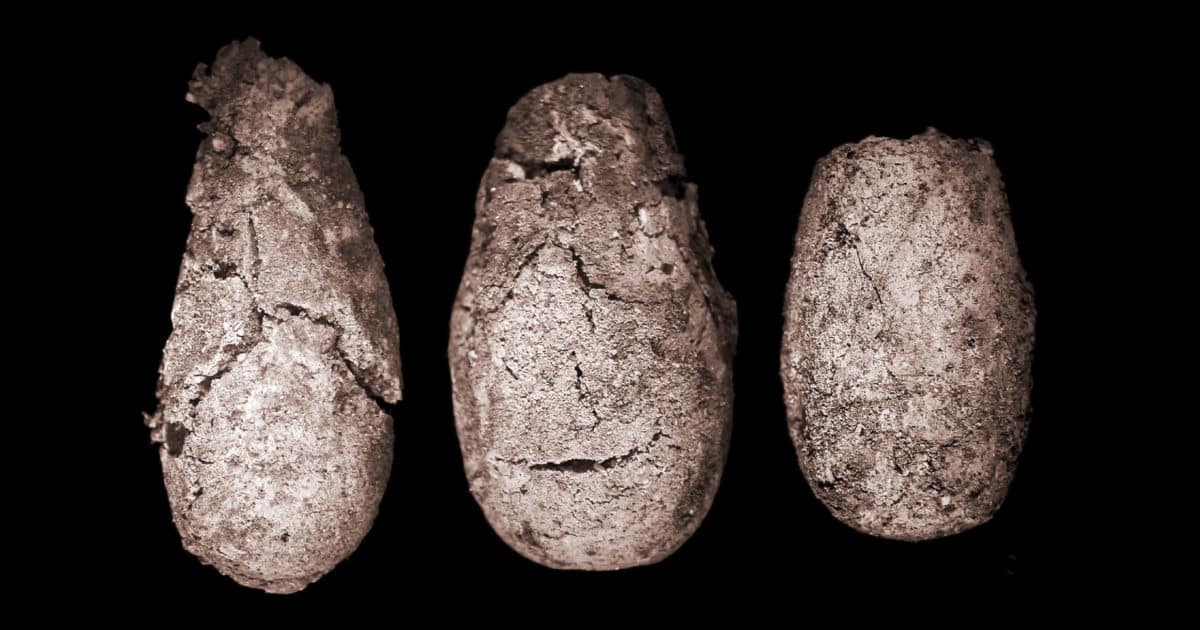
Darwinists have to appeal to the ad hoc hypothesis of convergent adaptation to similar lifestyles, which of course increases their problem. Read More ›
Moniopterus
Photo: Moniopterus japonicus, modified after Haga et al. 2010, https://doi.org/10.1666/09-126.1, fair use.

Fossil Friday: Moniopterus — Snake, Beetle, or Mollusk?
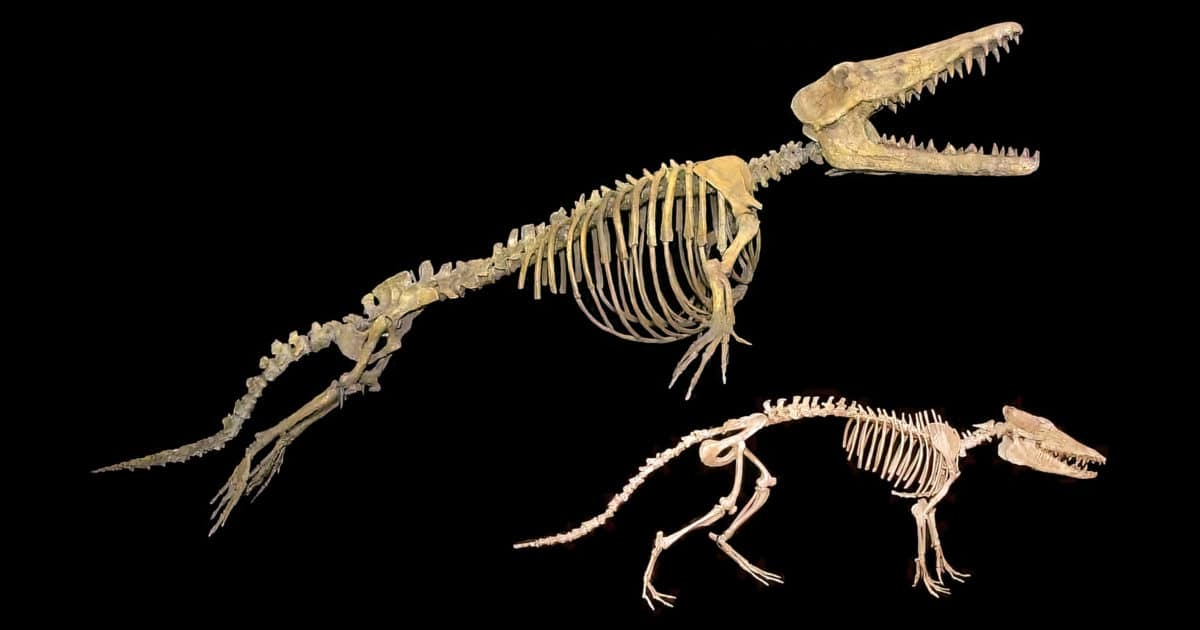
Scientists are only humans and many of them see what they want to see. Fossils often leave a lot of room for wild imagination and wishful thinking. Read More ›
Walking_whales
Photo: Pakicetus and Ambulocetus by Thewissen 2009, via Wikimedia, CC BY 2.0.

Fossil Friday: Walking Whales and Why All Critiques of the Waiting Time Problem Fail

These fossils are often celebrated as missing links and a success story for Darwinism. Read More ›

© Discovery Institute