Stuart_Kauffman Type post Author Daniel Witt Date January 23, 2025 CategoriesEvolutionIntelligent DesignPhysical Sciences Tagged , aliens, bacterial flagellum, Charles Darwin, Cicero, constraints, cooption, Darwin's Black Box, Darwinism, David Berlinski, David Coppedge, exaptation, H. Allen Orr, intelligent design, Irreducible Complexity, Lucretius, Michael Behe, Modern Synthesis, natural philosophers, Neo-Darwinism, Occam's Razor, reductio ad absurdum, Stuart Kauffman Hello, Stuart Kauffman Daniel Witt January 23, 2025 Evolution, Intelligent Design, Physical Sciences 14 Kauffman is one of the more interesting participants in the debates about the nature of life. Read More ›
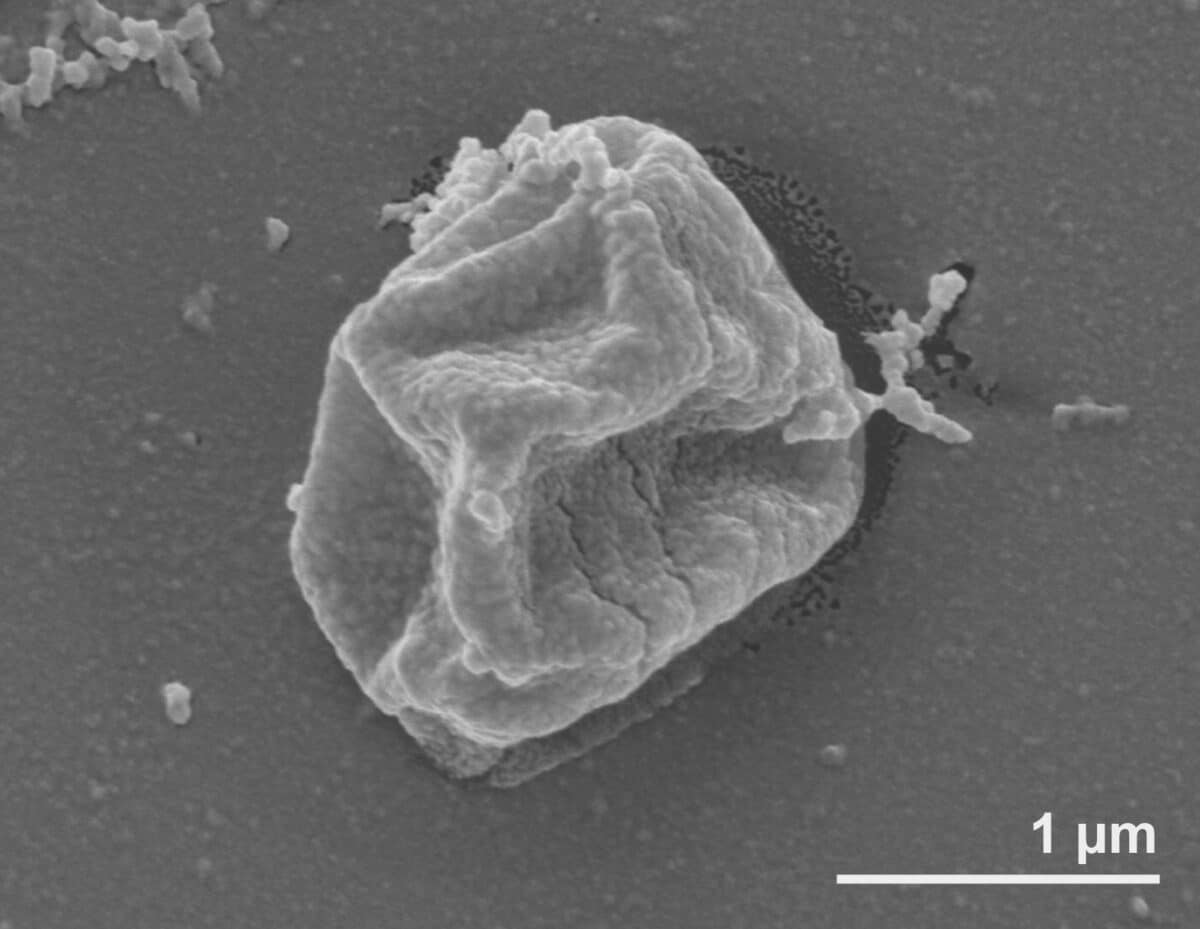
Electron_Microscopic_Image_of_Pyrolobus_fumarii Type post Author Daniel Witt Date June 28, 2024 CategoriesBiologyEvolutionIntelligent Design Tagged , archaea, bacteria, biological systems, cooption, Darwin's Black Box, Darwinian evolution, evolution, Evolution “On Purpose”, Immanuel Kant, intelligent design, Irreducible Complexity, Joana Xavier, Last Universal Common Ancestor, life, LUCA, Michael Behe, Proceedings of the Royal Society of London, Stuart Kauffman “Irreducible Complexity” May Be Part of the Definition of Life Daniel Witt June 28, 2024 Biology, Evolution, Intelligent Design 9 There are many bad counter-arguments to Michael Behe’s famous irreducible complexity conundrum, and (in my opinion) one pretty good one. Read More ›
flagellum 2 Type post Author Brian Miller Date December 17, 2018 CategoriesEvolutionIntelligent Design Tagged , __k-review, amino acids, bacterial flagellum, cooption, Darwin Devolves, degradation, Douglas Axe, Drosophila, E. coli, eye, fitness landscape, Harvard University, hook, Irreducible Complexity, Michael Behe, motor, Nicholas Matzke, propeller, proteins Advances in Biology Discredit Argument that Cooption Can Explain Irreducible Complexity Brian Miller December 17, 2018 Evolution, Intelligent Design 13 One of most popular attempts at explaining the flagellum via cooption was developed by Nicholas Matzke. Read More ›