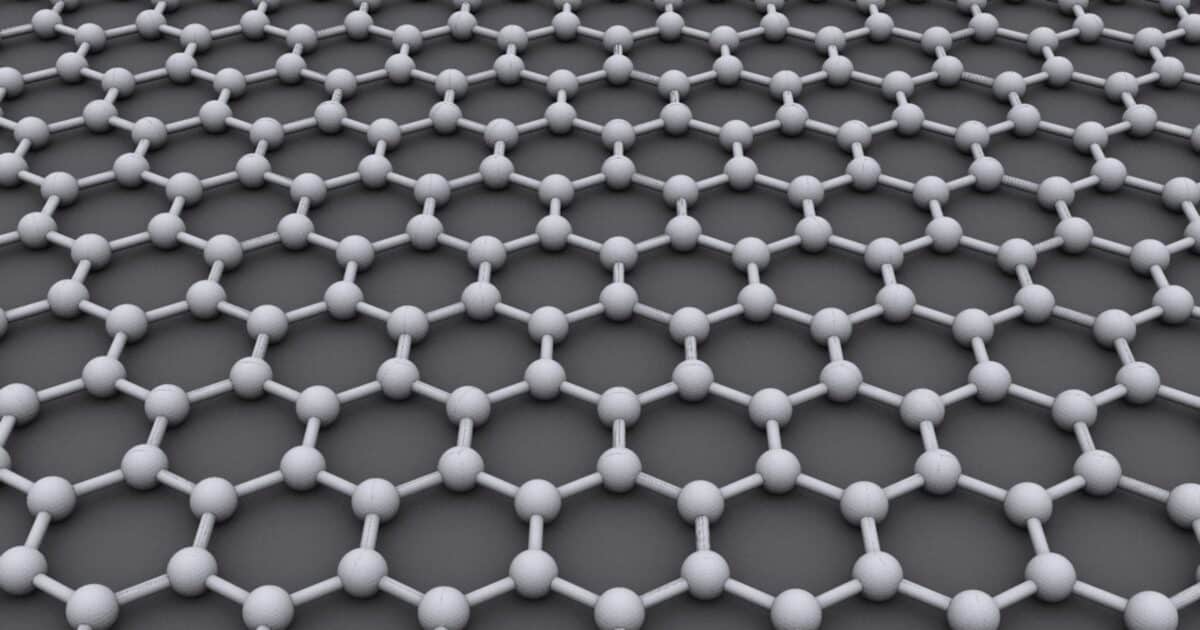
Graphen Type post Author Casey Luskin Date November 17, 2023 CategoriesMedicinePhysical Sciences Tagged , batteries, electronics, entrepreneurs, George Gilder, graphene, James Tour, materials science, mice, modernity, Nobel Prize, plastic, plastics, Rice University, spinal cord I Just Want to Say One Word to You: Graphene Casey Luskin November 17, 2023 Medicine, Physical Sciences 5 Graphene was first characterized in 2004 when two researchers took graphite and exfoliated individual sheets of graphene using scotch tape. Read More ›
Long Story Short Type post Author Rob Stadler Date July 27, 2022 CategoriesBotanyEvolutionIntelligent DesignOrigin of Life Tagged , abiogenesis, ADP, ATP, ATP synthase, batteries, biopolymers, Energy, energy harnessing, evolution, homeostasis, hydrothermal vents, intelligent design, lightning, Long Story Short, membranes, natural selection, promissory note, protons, RNA, self-replication, solar panels, sun, sunlight, volcanoes High Energy: Long Story Short Addresses “Energy Harnessing” and Life’s Origin Rob Stadler July 27, 2022 Botany, Evolution, Intelligent Design, Origin of Life 6 Everyone knows that maintaining life requires energy, but most do not appreciate the intricate steps required to harness it. Read More ›
graphene-hexagonal-structure-in-motion-as-artificial-intelli-458364041-stockpack-adobestock Type post Author Casey Luskin Date November 14, 2021 CategoriesChemistryTechnology Tagged , batteries, carbon, China, cobalt, Discovery Institute, graphene, James Tour, landfills, manganese, materials science, nickel, rare earth elements, Research, Rice University, South Africa Flash Graphene: Born Again Plastic Is Planet-Friendly Casey Luskin November 14, 2021 Chemistry, Technology 6 Jim Tour is a man of faith and if you talk to him, he’s quick to credit God for blessing him and his team with these innovations. Read More ›
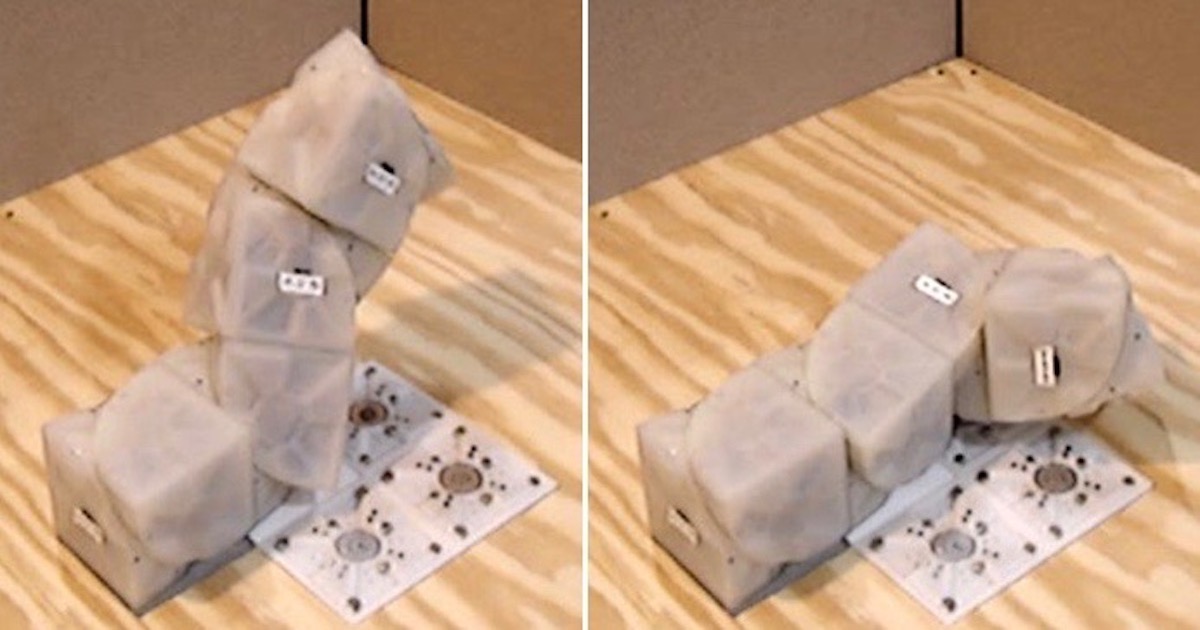
MolecubesInMotion Type post Author Eric H. Anderson Date October 21, 2021 CategoriesBiologyEngineeringEvolutionLife SciencesOrigin of Life Tagged , abiogenesis, amino acids, bacterium, batteries, Cornell University, early Earth, evolution, Evolution and Intelligent Design in a Nutshell, Facebook, factory, Granville Sewell, magnets, Mars, Richard Dawkins, self-replication, Stephen Meyer, YouTube videos Self-Replication? Not Even Close Eric H. Anderson October 21, 2021 Biology, Engineering, Evolution, Life Sciences, Origin of Life 11 Cornell University researchers allegedly “created a machine that can build copies of itself.” Read More ›
United Launch Alliance Atlas V rocket Type post Author Michael Denton Date August 17, 2020 CategoriesBiologyFine-tuningIntelligent Design Tagged , Alfred Russel Wallace, batteries, carbon-based life, Charles Darwin, fire, Fire-Maker series, fire-making, fitness of nature, Freeman Dyson, intelligent beings, intelligent design, Kepler, magnets, Zeitgeist Whatever the Cause, We Are No Accident Michael Denton August 17, 2020 Biology, Fine-tuning, Intelligent Design 4 The unique fitness of nature for carbon-based life and intelligent beings of our biology is an empirical discovery. Read More ›