zebra Type post Author David Coppedge Date August 2, 2023 CategoriesEvolutionIntelligent Design Tagged , American Chemical Society, apoptosis, centrioles, checkpoints, chromosomes, conservation, DNA, error correction, evolution, genetic information, histones, intelligent design, Johns Hopkins University, junk DNA, mitosis, Northeastern University, organelles, RNA, Rube Goldberg device, University of Basel, zebras In Life, Checkpoints and Error Correction Defy Darwinian Explanations David Coppedge August 2, 2023 Evolution, Intelligent Design 10 Living cells employ forward-thinking and backward-thinking strategies. Both strategies require planning outside the immediate situation. Read More ›
water lily Type post Date August 11, 2020 CategoriesEvolutionIntelligent Design Tagged , AAAS (American Association for the Advancement of Science), American Chemical Society, axon, Cambrian animals, China, Darwin's Dilemma, evolution, Foresight (book), Journal of Experimental Psychology, Marcos Eberlin, memory, mother-of-pearl, nacre, natural selection, Neo-Darwinism, Netherlands, Peking University, PNAS, Rube Goldberg device, Science Advances, Shanghai Jiao Tong University, water lilies In Defiance of Evolution, Hierarchical Design Is Ubiquitous in Biology Science and Culture August 11, 2020 Evolution, Intelligent Design 9 Design with interdependent layers presents a challenge to neo-Darwinism. Natural selection is oblivious to anything but an immediate beneficial variation. Read More ›
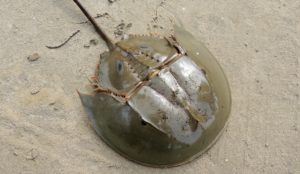
Tachypleus_gigas Type post Date June 8, 2020 CategoriesIntelligent Design Tagged , American Chemical Society, arachnids, Australia, cancer, dragline silk, horseshoe crabs, Jurgen Otto, mites, Nature Communications, scorpions, spiders, ticks, toxins, University of Melbourne, University of Queensland, venom Make Like a Scorpion, and Other Arachnid Designs Science and Culture June 8, 2020 Intelligent Design 9 Long shunned for their bites and toxins, arachnids are gaining respect for biomimetic inspiration. Read More ›
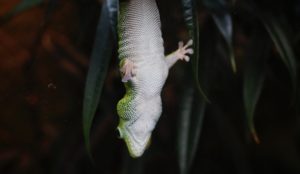
gecko-2048x1075 Type post Date May 29, 2020 CategoriesIntelligent DesignLife Sciences Tagged , American Chemical Society, biologists, Biomimetics, biomimicry, butterfly wings, China, coral, Duke University, engineers, fish scales, geckos, Georgia Tech, intelligent design, Johns Hopkins University, leaf, leaves, materials science, nanowires, New Scientist, polymers, telescopes Applied Intelligent Design: Engineers Know Engineering When They See It Science and Culture May 29, 2020 Intelligent Design, Life Sciences 9 The adhesive properties of gecko toe pads, based on atomic van der Waals attraction, have been understood for years now. Read More ›