






































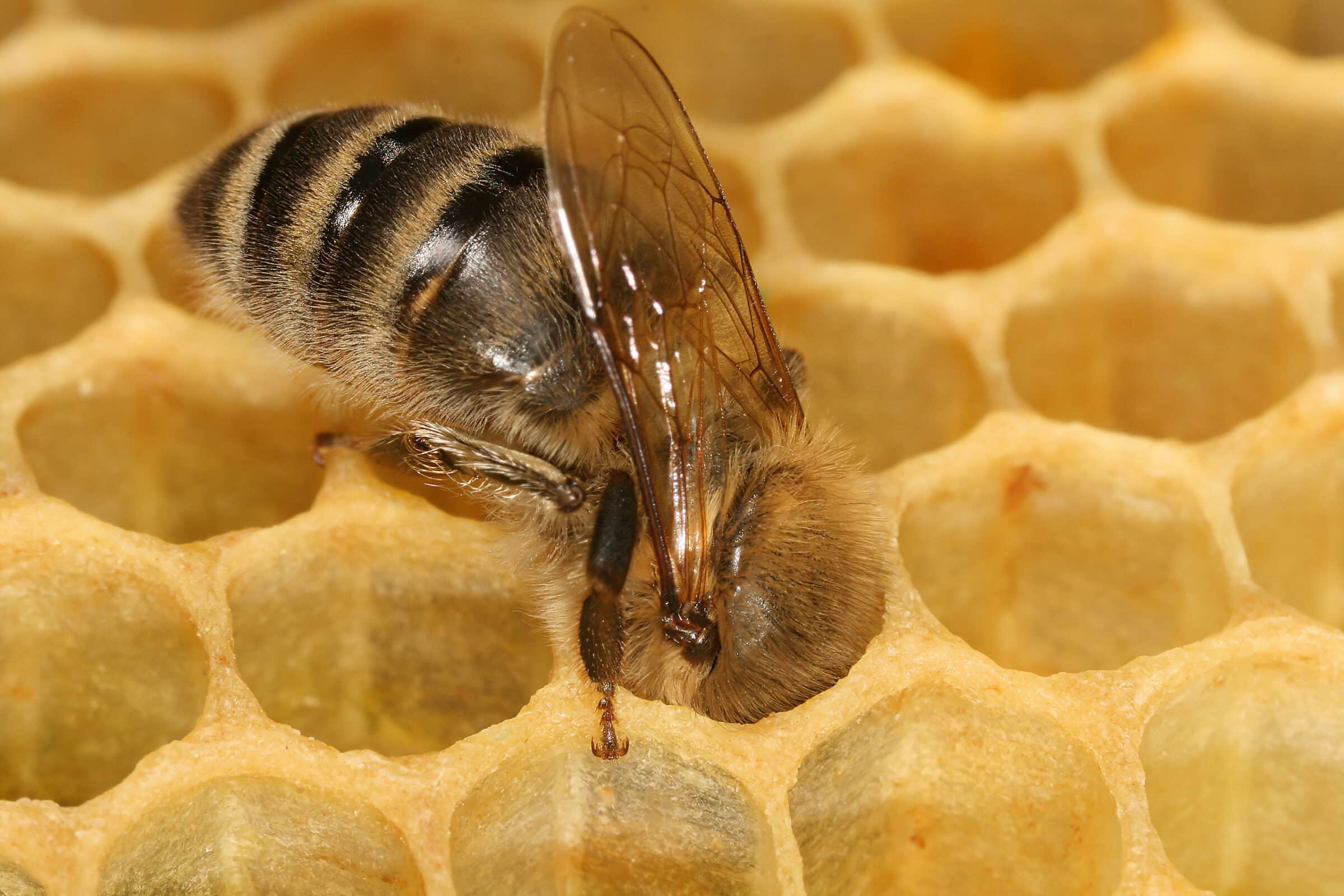
The rights of nature movement has been more successful than the animal rights movement. Geological features such as rivers, but few animals, have been granted rights.
But now in a merger of sorts of these worldviews, stingless bees have been granted rights in two local ordinances in Peru. From the Smithsonian Magazine story:
Under the new laws, stingless bees now have the fundamental right to exist and flourish in a healthy environment, without pollution, habitat loss, climate change, human activity or other threats getting in the way of their survival. Humans can also file lawsuits on the insects’ behalf.
So, in essence, bees have been granted a right to life. PETA must be dancing a jig.
Also, notice the global warming angle. A focus on indigenous peoples is currently standard in nature rights advocacy. But as more laws are passed granting rights to nature, eventually that will become the justification for multitudinous lawsuits against fossil fuel companies, mining interests, and other industries — and governments — deemed to be villains in temperature increases. And virtually anyone will be allowed to bring such cases. Imagine the lawfare possibilities.
The nature rights movement is primarily anti-capitalist — despite the mess many socialist countries make of their environments. It is also misanthropic because it reduces humans to just another animal. But step by step and inch by inch, it is gaining momentum.
It is not as if nature or animals need to be granted rights in order to be protected robustly. For example, in the U.S., bald eagles are a protected species. It is against the law to cause their death or disturb their nests. This law brought our national symbol back from near extinction to a thriving species: no “rights” necessary.
Cross-posted at National Review.