







































If you’re intrigued by the sound of Discovery Institute’s Summer Seminars on Intelligent Design, don’t put off the decision to apply! The deadline is just seven days away — March 31! Remarkably, the Seminars are tuition free and travel scholarships are available. The setting this year will be in Colorado at a beautiful conference center. So, why should you apply?
One of the strongest signs of the good health of the intelligent design movement, and the strength of the scientific case for design, is the number of ID-friendly scientists that we have coming our way.
On what seems like almost a daily basis, some new ID-friendly scientist emails us out of the blue to make contact with kindred spirits. Sometimes the person may be retired and so can be “out of the closet.” More often, these folks are neck-deep in their careers — actively involved in research and/or teaching. They may be a postdoc, or a junior faculty member; sometimes they are still a student finishing up a PhD. Brian Miller and I frequently Zoom with these people. There’s so much of this sort of thing happening that we’re usually Zooming with newly discovered ID-friendly scientists on multiple days of the week.
The Next Generation
Another sign of ID’s good health is the amount of research being produced by the ID community. The movement is growing, and we’re working hard to make sure that a network of scientists interested in intelligent design can collaborate to explore these ideas and produce research. Many of the people in this network are young scientists — again people doing PhDs, completing postdocs, or starting off their careers as young faculty. They are the next generation of ID scientists who want to see our research expand into new fields and find evidence for design that’s never been discovered before. And many in this next generation of ID researchers are alumni of our Summer Seminars.

Does This Kind of Career Interest You?
Of course, it’s not just scientists who attend the Seminars. We have the CSC Seminar on Intelligent Design in the Natural Sciences. But we also have a humanities-focused track, the C. S. Lewis Fellows Program on Science and Society, which covers topics like history, art, philosophy, law, and the social sciences. Alumni from this program are also now contributing to ID scholarship.
In the ID movement we’re surrounded by nerds who love science and philosophy and many other subjects. Like scientists and scholars in so many fields, we are motivated by a desire to find out the truth about our world, and when possible, to use that knowledge to make it a better place.
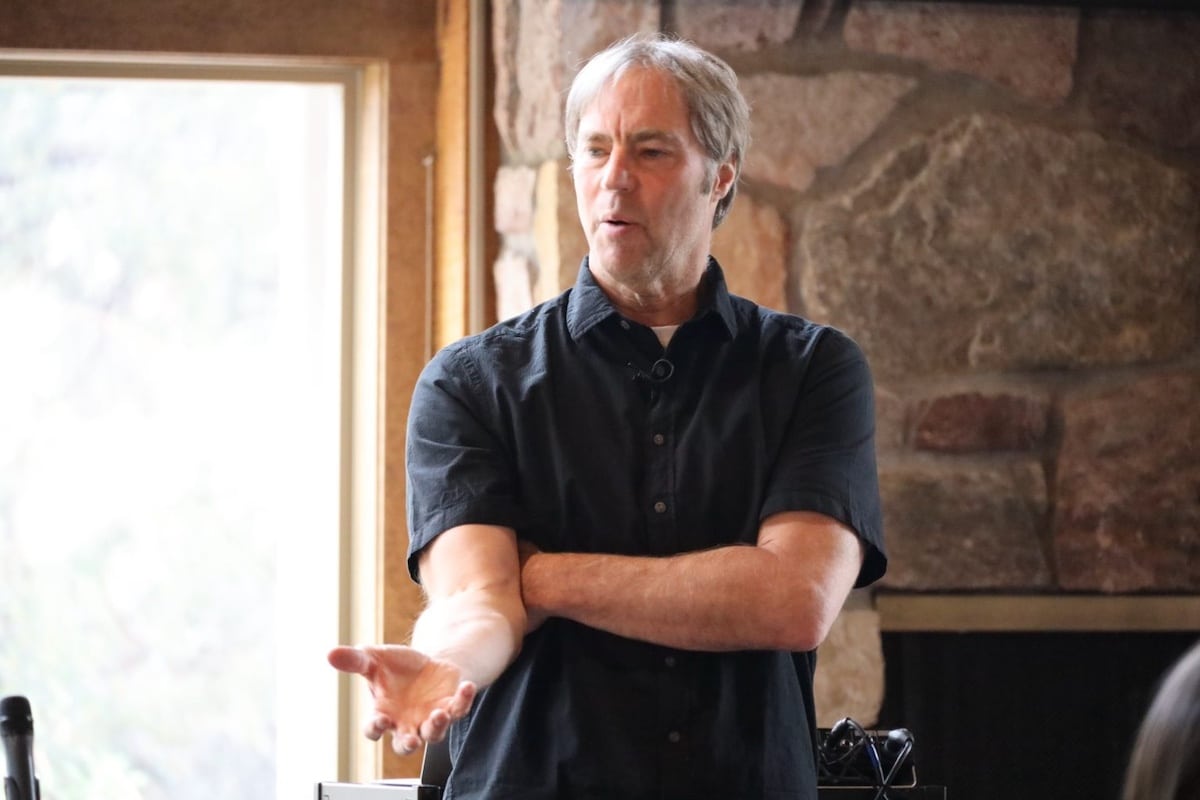
 Photo by Nathan Jacobson, © Discovery Institute
How can one get involved with ID research? How can one contribute to ID scholarship? For many researchers now involved with the ID community, the answer was to attend our Summer Seminars on Intelligent Design. My colleagues and I look forward to seeing you there!