






































In a previous post I suggested a few science experiments you can conduct if you are in the path of totality during the April 8 solar eclipse. I mentioned the phyphox phone app to measure aspects of the environment during the eclipse. While this is a great app for physics lab experiments, I think there is a better option for the eclipse.
The Sensor Logger phone app can record and store the readings from any combination of your phone’s sensors. I’ve set up a crowd-sourced solar eclipse experiment with Sensor Logger. You can join the experiment one of two ways:
- Go here with the browser on your phone and follow the directions to join the experiment. The ID for the experiment is “eclipse1.”
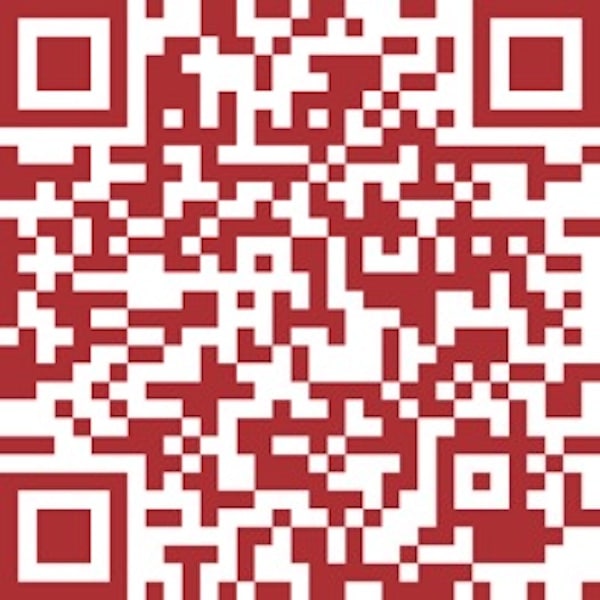
- Download the Sensor Logger phone app. Then, scan the following QR code with your phone camera and follow the directions:
On April 8 you should be within or near the path of totality to participate in the experiment. Place your phone face up somewhere outside where it will be undisturbed for about one hour. Start recording data about 30 minutes before the predicted time of mid-eclipse at your location and end your recording about an hour later. NOTE: your location will be recorded along with light level, magnetometer, sound level, and barometric pressure. If you have the opportunity, also record data 24 hours before or after (optional). Your data will be stored by the app on the cloud.
I will collect the data from the cloud and analyze it. I hope to publish the results in a scientific paper some months later.