






































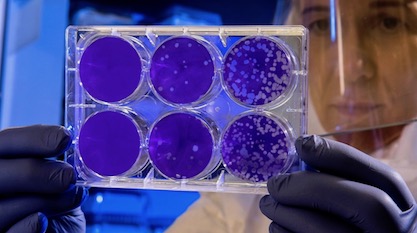
On a new episode of ID the Future, biophysicist and philosopher Kirk Durston discusses his recent article series about three types of science — (1) experimental science, which is generally very trustworthy, with some exceptions; (2) inferential science, which can be trustworthy but often takes huge leaps into the doubtable and dodgy; and (3) fantasy science, which is essentially science fiction masquerading as actual science.
In this first of three episodes, Durston focuses on experimental science. Such science is, at its best, reproducible and verifiable. Durston says he has yet to find a true conflict between experimental, reproducible scientific observations and his religious faith. The contradictions he encountered were all between his faith and the inferences that some scientists were drawing from experimental science.
Durston and host Andrew McDiarmid then move into a discussion of the reproducibility crisis in experimental science. As Durston explains, without a healthy scientific culture and the right incentives, experimental science can quickly fall into disrepair. Download the podcast or listen to it here.