American_mastodon_with_calf Type post Author Stephen J. Iacoboni Date January 30, 2025 CategoriesBiologyEvolutionIntelligent DesignMetaphysics Tagged , Andreas Wagner, Anthony Flew, Aristotle, arrival of the fittest, causation, causes, Daniel Witt, Darwin's Black Box, David Gelernter, DNA, Energy, Irreducible Complexity, Jacques Monod, Life Itself, logic, mastodons, matter, Michael Behe, Michael Polanyi, natural law, observation, oxidation, purpose, reduction, Robert Rosen, science of purpose, Stuart Kauffman, subatomic particles, supernovae, T. rex, telos, Thomistic Aristotelianism The Metaphysics of Irreducible Complexity Stephen J. Iacoboni January 30, 2025 Biology, Evolution, Intelligent Design, Metaphysics 8 The vastness of life’s complexity is no longer unfathomable when seen through the light of purpose. Read More ›
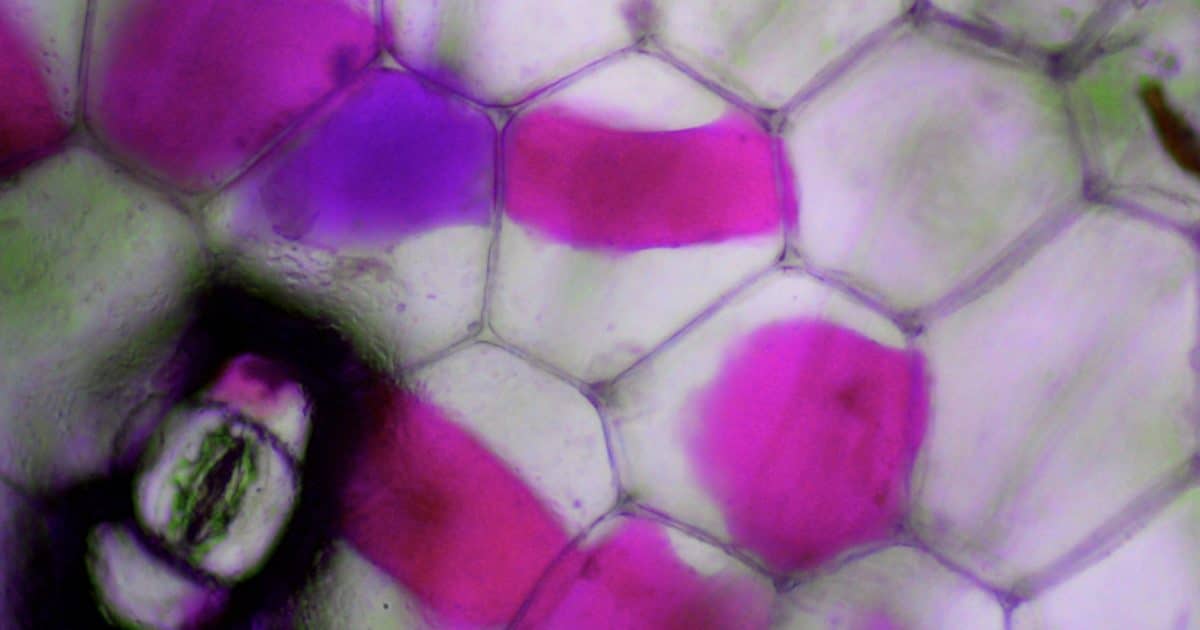
plasma membrane Type post Author Walter Bradley Date September 23, 2022 CategoriesEvolutionIntelligent DesignOrigin of Life Tagged , Alexander Oparin, cell membrane, cells, First Life from Purely Natural Means? (series), James Tour, lipid bilayer, oxidation, Rice University, waste products The “Clumping” Problem and the Origin of Life Walter Bradley and Casey Luskin September 23, 2022 Evolution, Intelligent Design, Origin of Life 4 In the 1970s, biochemist Sidney Fox and colleagues believed they had uncovered primitive cell membrane-like structures called protenoid microspheres. Read More ›
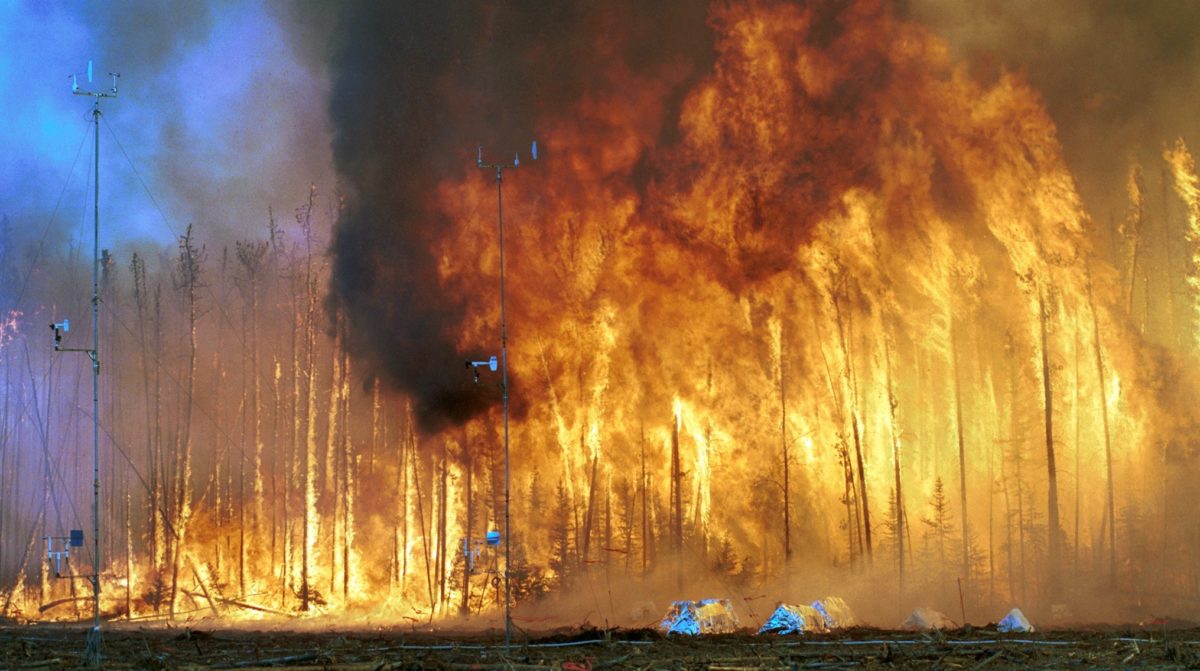
fire Type post Author Michael Denton Date August 15, 2020 CategoriesChemistryIntelligent DesignPhysics Tagged , atmosphere, breathing, carbon, electromagnetic spectrum, embryos, fire, Fire-Maker series, fitness of nature, Lawrence Henderson, oxidation, oxygen, respiration, The Fitness of the Environment Fire and Fitness: A Summary of the Evidence Michael Denton August 15, 2020 Chemistry, Intelligent Design, Physics 3 Surely there could not be an equivalent ensemble of fitness in nature for some other type of life. Read More ›