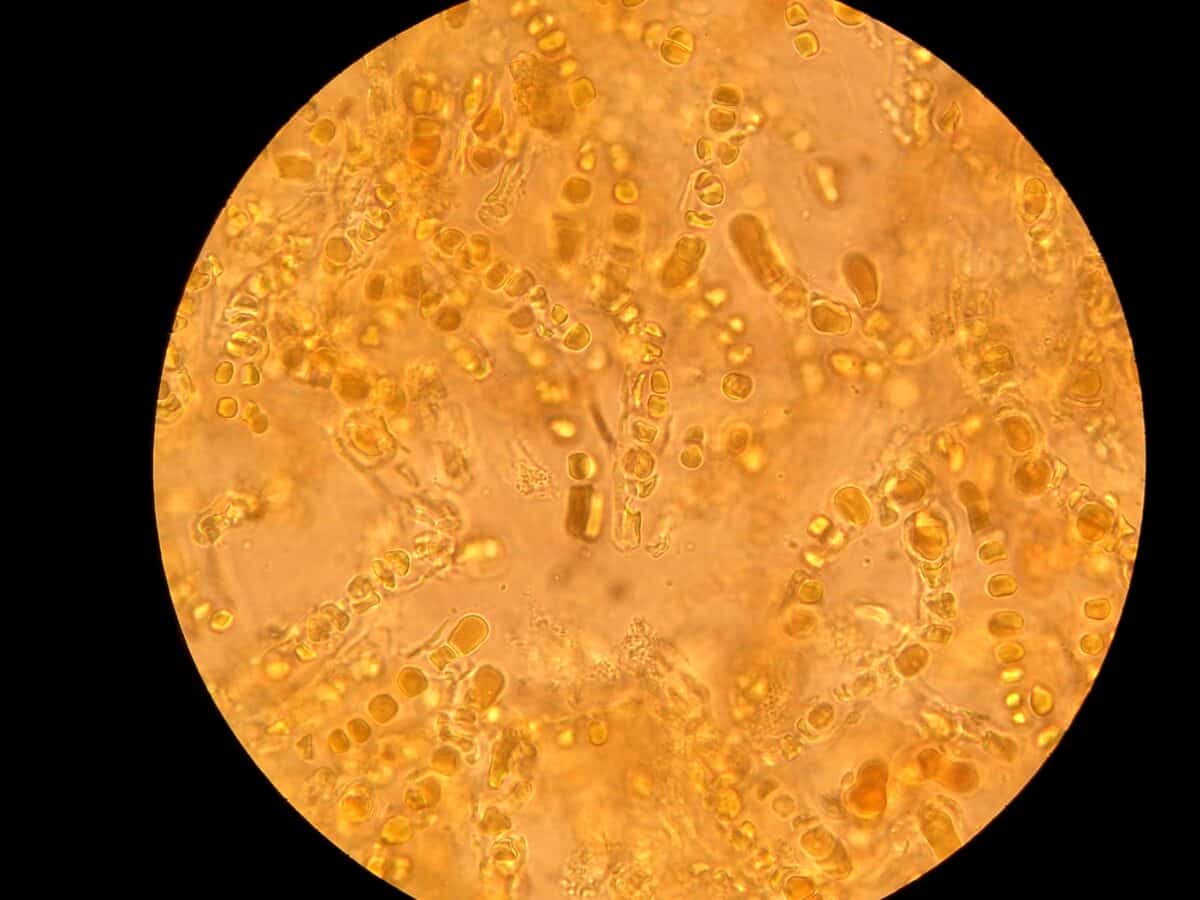
Hyella_caespitosa Type post Author Wesley J. Smith Date March 14, 2025 CategoriesBioethicsBotanyHuman ExceptionalismLife Sciences Tagged , artificial intelligence, babies, computer software, Endangered Species Act, fish, gestating human babies, image of God, insects, invertebrates, Jeff Sebo, life, mammals, microbes, moral agents, moral patients, moral responsibility, NYU, philosophers, The Moral Circle, universe Microbes as “Moral Agents”? Bioethicist Says Yes Wesley J. Smith March 14, 2025 Bioethics, Botany, Human Exceptionalism, Life Sciences 5 Only a philosopher could claim seriously that humans owe significant moral duties to microbes. Read More ›
Herkulaneischer_Meister_002 2 Type post Author Denyse O’Leary Date October 1, 2024 CategoriesFaith & ScienceNeuroscience & Mind Tagged , atheism, brain function, Bruce Greyson, consciousness, Daniel Dennett, Grossman School of Medicine, human soul, Lucid Dying, materialism, Michael Egnor, near-death experiences, NYU, Sam Parnia, Science Daily, Scientific American, Sean Carroll, The Immortal Mind Scientists Ask: Does the Soul Survive Death? Denyse O’Leary October 1, 2024 Faith & Science, Neuroscience & Mind 5 Gradually, medical findings about what happens to the mind around the time of death are undermining assumptions that the soul dies with the body. Read More ›
near-death experience Type post Author Denyse O’Leary Date September 19, 2023 CategoriesMedicineNeuroscience & Mind Tagged , brain, consciousness, cosmic fine-tuning, CPR, Dartmouth College, Durham University, Elsevier, hospitals, Marcelo Gleiser, near-death experiences, NYU, persistent vegetative state, Philip Goff, Rachel Nuwer, researchers, Sam Parnia, Scientific American, wrongthink Study: Brain Is Still Active After Death Denyse O’Leary September 19, 2023 Medicine, Neuroscience & Mind 6 Obviously, these experiences point to something that is irrelevant to claims about evolution. Read More ›