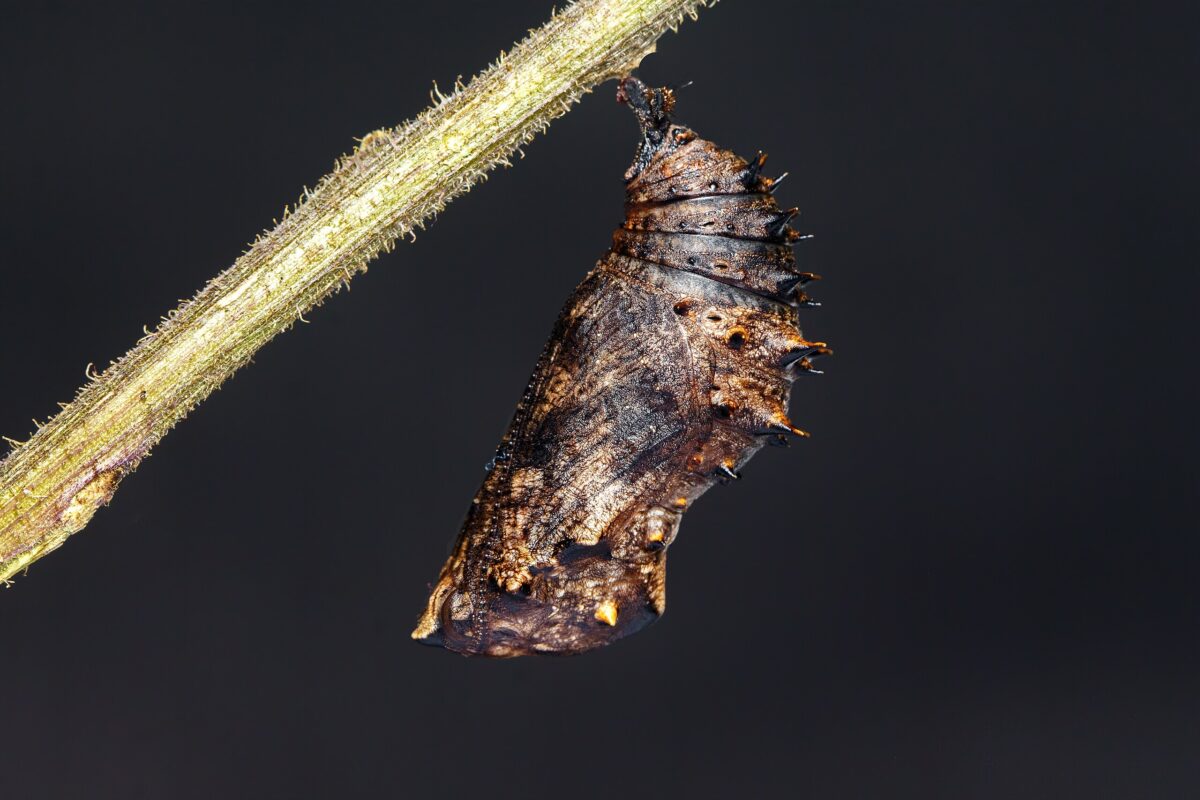
A_pupa_of_Hypolimnas_bolina_(Linnaeus,_1758)_-_Great_Eggfly_(2)_WLB Type post Author David Coppedge Date October 24, 2024 CategoriesEvolutionIntelligent Design Tagged , Ann Gauger, Antonie van Leeuwenhoek, butterfly, chrysalis, Darwinism, dragonflies, foresight, Free University, genes, grasshoppers, Illustra Media, insects, lice, Metamorphosis, Metamorphosis: The Beauty and Design of Butterflies, Model T, organs, Paul Nelson, phenotypes, Princeton University, proboscis, promissory note “Notions” About Metamorphosis Fall Short of Scientific Explanations David Coppedge October 24, 2024 Evolution, Intelligent Design 10 Saying that a mathematical model “supports the notion” of how metamorphosis evolved should not grace the pages of an esteemed scientific journal. Read More ›
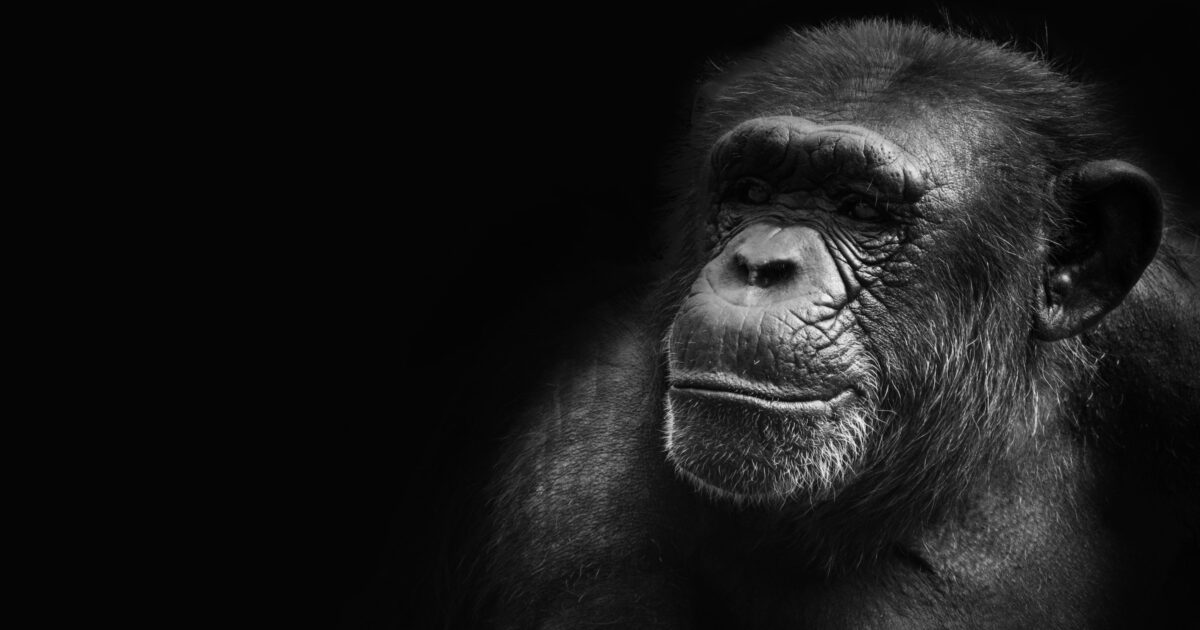
chimp Type post Author David Berlinski Date June 19, 2023 CategoriesBiologyEvolutionHuman ExceptionalismHuman Origins and Anthropology Tagged , apes, bananas, Charles Darwin, chimpanzees, cooking, curiosity, evolution, Harvard University, human mind, humans, lice, music, Stephen Jay Gould, Western culture Good as Gould? Ask a Chimp David Berlinski June 19, 2023 Biology, Evolution, Human Exceptionalism, Human Origins and Anthropology 3 No distinction in kind rather than degree between ourselves and the chimps? No distinction? Seriously, folks? Read More ›
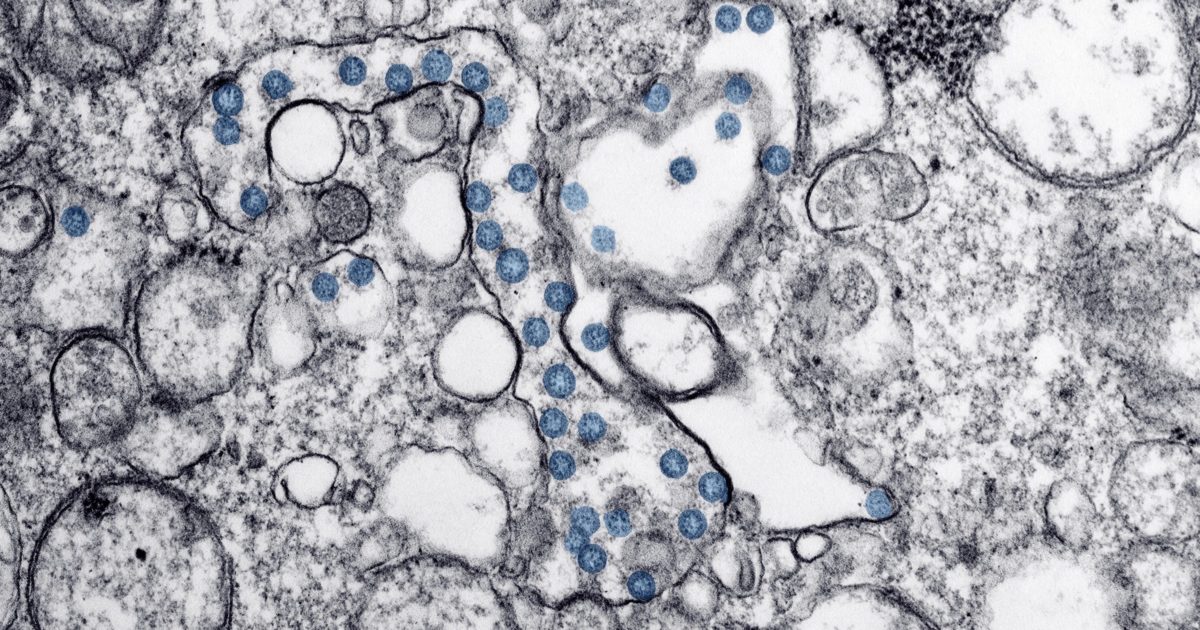
COVID-19 Type post Author Michael Egnor Date August 13, 2020 CategoriesIntelligent DesignMedicine Tagged , Adam Shapiro, bats, China, coronavirus, COVID-19, Current Biology, Darwinism, embryos, field work, intelligent design, lice, moths, Nature (journal), Nature Microbiology, pandemic, sampling, SARS-CoV-2, scientists, spike protein There’s Implicit ID Research on COVID-19; What About Explicit? Michael Egnor August 13, 2020 Intelligent Design, Medicine 5 The reason for the relative silence on the origin of COVID by explicit ID scientists is simple. Read More ›