







































Science and Culture Today Discovering Design in Nature
Topic

genetic similarity

close-up-of-a-door-knocker-in-the-shape-of-an-uroboros-an-an-530875033-stockpack-adobestock
Close-up of a door knocker in the shape of an uroboros, an ancient symbol depicting a serpent (or dragon) eating its own tail, often interpreted as a symbol for eternal cyclic renewal, Italy
Image Credit: Simona Sirio - Adobe Stock

Darwinian Logic: The Latest on Chimp and Human DNA

Picture an Ouroboros, the alchemical symbol of a snake with its own tail in its mouth. Do you get the feeling that Darwinian "logic" is taking us nowhere? Read More ›
a-cozy-neanderthal-evening-gathering-around-a-warm-bonfire-c-673208179-stockpack-adobestock
A Cozy Neanderthal Evening Gathering Around a Warm Bonfire Created With Generative AI Technology
Image Credit: Karlaage - Adobe Stock

Recent Genetic Research Shows Chimps More Distant From Humans, Neanderthals Closer

Research published in Nature over the past few months is showing a much greater genetic distance between humans and chimps than previously thought, while revealing a closer one between humans and Neanderthals. A Nature paper from January, 2010 titled, “Chimpanzee and human Y chromosomes are remarkably divergent in structure and gene content,” found that Y chromosomes in humans and chimps “differ radically in sequence structure and gene content,” showing “extraordinary divergence” where “wholesale renovation is the paramount theme.” Of course, the paper attributes these dramatic genetic changes to “rapid evolution during the past 6 million years.” One of the scientists behind the study was quoted in a Nature news article stating, “It looks like there’s been a dramatic renovation or reinvention Read More ›
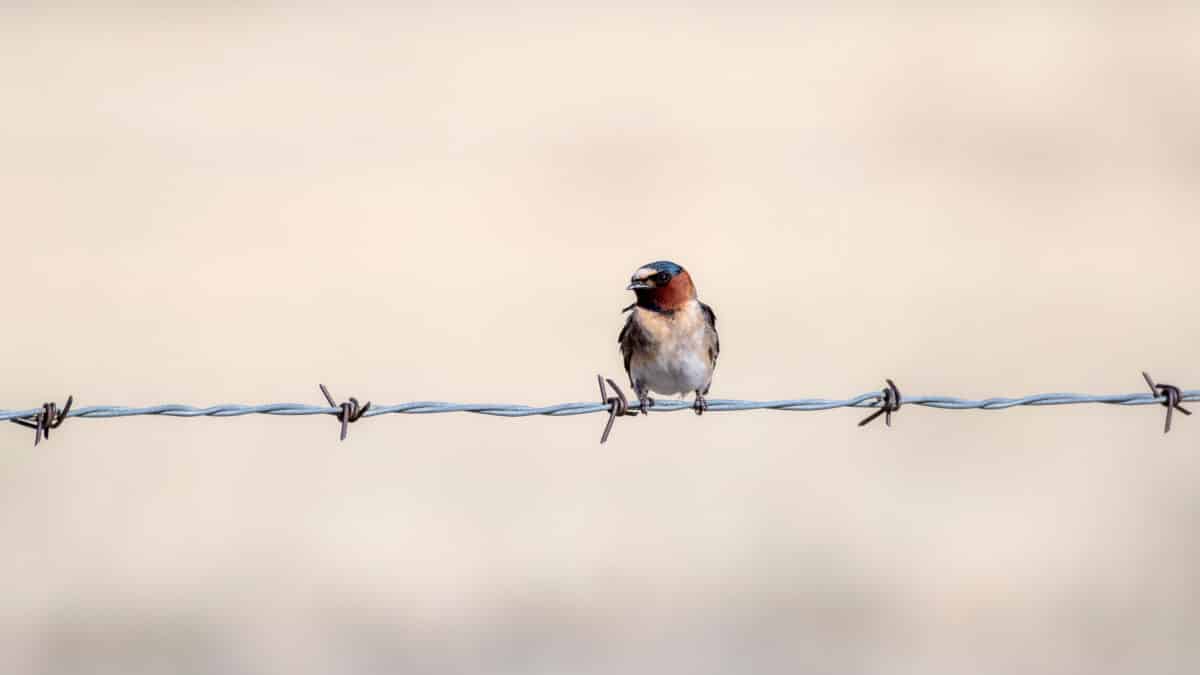
cliff-swallow-petrochelidon-pyrrhonota-perched-on-a-barbed-w-379433459-stockpack-adobe_stock
Cliff Swallow (Petrochelidon pyrrhonota) Perched on a Barbed Wire Fence on the Plains of Colorado
Image Credit: RachelKolokoffHopper - Adobe Stock

Microevolution In Action

*Microevolution In Action* "Similarities could easily be the result of “common design” rather than common descent—where a designer wanted to design organisms on a similar blueprint and thus used similar genes in both organisms. This doesn’t challenge ID." Read the rest at Evolution News & Views, www.scienceandculture.com. Read More ›

© Discovery Institute