





































Editor’s note: J. Budziszewski is a professor of government, philosophy, and civic leadership at the University of Texas at Austin. His new book, examining 30 crazy yet common ideas, is Pandemic of Lunacy: How to Think Clearly When Everyone Around You Seems Crazy (Creed and Culture), from which this essay is adapted.
Every other day, yet another would-be demystifier claims that if we compare other primates with humans, we will see that we are “just animals.” This tempting idea is a delusion.
If being animals means that we aren’t incorporeal intelligences but embodied beings, then of course we are animals. We have mass and take up space. We eat, digest, and dispose of waste. We are born from our parents’ carnal union, and we have children by joining with spouses of the opposite sex. All these and many other things connected with embodiment are true.
Some people are disgusted by these facts. An online book reviewer writes,
The fact that I’m a squishy bag of water freaks me out constantly: Thinking about how fragile and necessarily ad hoc my respiratory and circulatory systems are, contemplating the various fluids and other things my body excretes, and of course, sex. Corporeal existence is weird and sometimes very inconvenient.
Transhumanists even look forward to uploading ourselves into computers.
The Rational Animal
But we aren’t just animals. We are rational animals, our bodies ennobled by the possession of rational life. Rationality doesn’t mean that we always act for good reasons. The world is well stocked with fools. But unlike all other creatures, we always act not just on impulses, but for reasons. It doesn’t mean that we are clever — to some degree, many animals are clever — but that we are capable of deliberating our choices and of aspiring to the truth of things. In this, the rational animal is unique.
Disregard of human rationality provokes a variety of disturbing responses. One is to say that since we’re nothing but animals, we may as well live like them. The Bloodhound Gang became famous for chanting, “You and me baby ain’t nothin’ but mammals, so let’s do it like they do on the Discovery Channel.” Yet a human who proposes to live like the animals is doing something which could never enter an animal’s mind: To follow an idea of how to live.
Another response is to maintain that since there is nothing special about human beings, we are free to treat humans like animals — or even worse than those animals we think cute. For example, we shouldn’t experiment with laboratory bunnies, but we may experiment with tissue from aborted babies.
Still another is to say that animals are morally superior to human beings. Some of my students argue that humans should be wiped off the face of the earth to make room for the other species. One would have thought people who embrace this idea would further the movement by committing suicide. Strangely, they prefer other pastimes. It’s also a little odd to say animals are morally superior, since animals have no conception of morality.
Locusts, Those Harmless Beasts
Why are animals viewed as superior? One version of the idea is that unlike humans, animals aren’t destructive to their surroundings. Oh, really? A locust plague can affect 20 percent of the earth’s land.
We’re told that they don’t have wars. But in the Gombe Chimpanzee War in the 1970s, one clan of chimps violently killed every male in another clan, causing Jane Goodall to revise her former view that chimps are “rather nicer” than humans.
We’re told that they aren’t vain. But a snake isn’t better than Sheila because it lacks vanity, any more than a tapeworm is worse than she is for invading her innards. One may as well praise a scorpion for not committing injustice, or a virus for lacking ingratitude. Such creatures haven’t enough self-awareness for vanity, and don’t rise to the level of moral fault or merit.
My Cat Chesterton
We’re told that our pets, at least, are unconditionally loving. My cat Chesterton was unfailingly affectionate, and I grieved when he died. But he did not love me, and I did not fault him it. To love someone is to will his true good. Chesterton had no concept even of his own true good, much less mine. When I stroked him, he didn’t think, “This experience is pleasing.” What was going on in his mind might better have been put, “Mmmmmmm.”
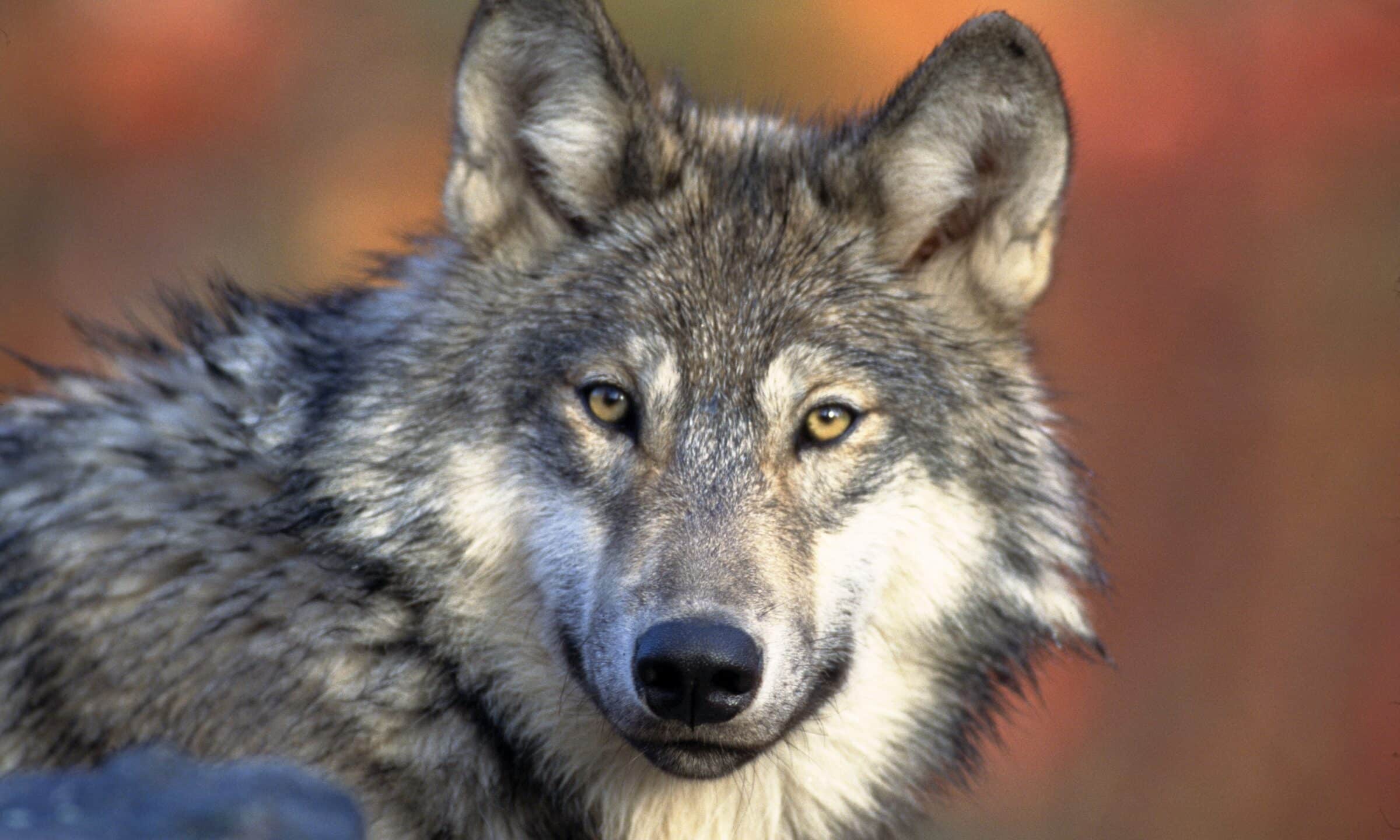
Don’t the rare instances of lost children raised by wolves prove that there is no distinctive human nature? No, because our nature isn’t just a bundle of hardwired instincts, but a bundle of natural potentialities, distinct to humans, which must unfold for us to attain our full development and live well. By human standards, those unfortunate children turned out to be radically defective. The natural habitat of human beings includes not just things like food, water, air, dry land, and moderate climate, but also things like parents, friendship, conversation, good laws, and worship. It isn’t that we can’t live without such things. But without them, we can’t live well. A good life for wolves is not a good life for us.