






































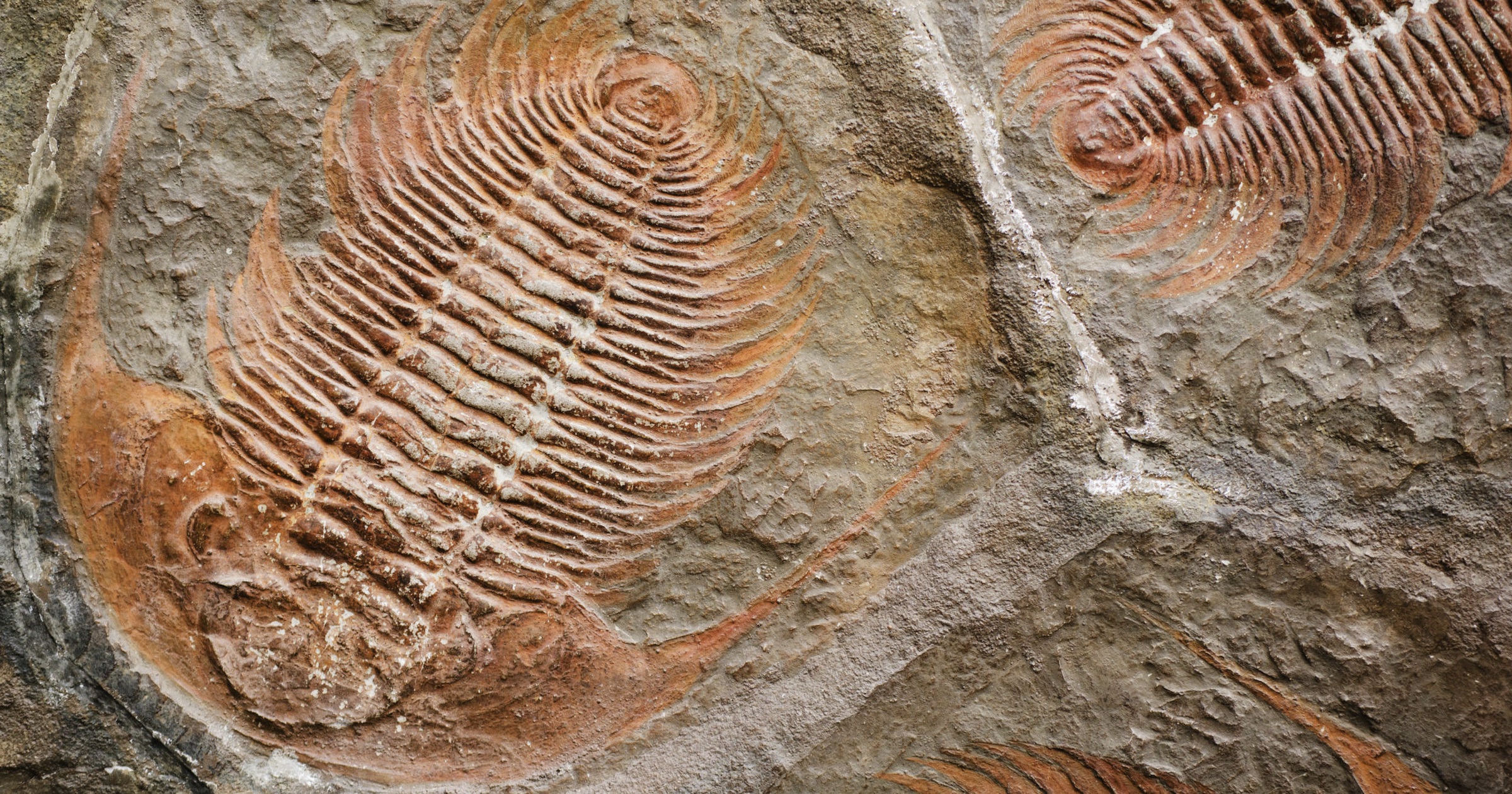
Increasingly, evolutionary biologists acknowledge — in the peer-reviewed literature — that there are serious problems with the modern Darwinian synthesis. The decorated Cambrian paleontologist Simon Conway Morris calls this “Darwin fatigue.” According to Conway Morris, the unresolved problems exposed by the Cambrian Explosion have “opened the way to a post-Darwinian world.” Though you wouldn’t hear this from Bill Nye the Science Guy, and you wouldn’t read it in a high-school or college biology textbook, real-life evolutionary biologists now live in the Wild West of evolutionary thinking, where multiple models compete to replace neo-Darwinism.
In his book 𝘋𝘢𝘳𝘸𝘪𝘯’𝘴 𝘋𝘰𝘶𝘣𝘵, Stephen Meyer draws on the research of many others to demonstrate that “the neo-Darwinian math is itself showing that the neo-Darwinian mechanism cannot build complex adaptations — including the new information-rich genes and proteins that would have been necessary to build the Cambrian animals.”
Why is this? Current research shows that the numbers of organisms and generations required for the neo-Darwinian mechanism to produce complex features far exceeds the probabilistic resources realistically available over the history of life on Earth.
This sounds suspiciously, well, scientific. Want to know more? See here for a brief “A Précis of Darwin’s Doubt.” Meyer’s work is thoroughly sourced from the mainstream field of evolutionary biology and peer-reviewed scientific literature. So check it out: 𝘋𝘢𝘳𝘸𝘪𝘯’𝘴 𝘋𝘰𝘶𝘣𝘵 is available in print, Kindle, and audiobook formats from all major book retailers and many libraries!