genetic-science-close-up-dna-sequence-on-black-background-ge-784717212-stockpack-adobestock Type post Author Jonathan McLatchie Date July 29, 2025 CategoriesBiologyEvolutionIntelligent Design Tagged , Arginine, bacteria, bacterial cell, biosynthesis, DNA, enzymes, genes, lactose, operons, recurring design logic, regulatory systems, RNA polymerase, structural motif, transcriptional hierarchies, tryptophan Recurring Design Logic in Operon Regulation Jonathan McLatchie July 29, 2025 Biology, Evolution, Intelligent Design 3 As we see in these two examples, the design logic is the same. And yet, these two systems are not evolutionarily related to one another. Read More ›
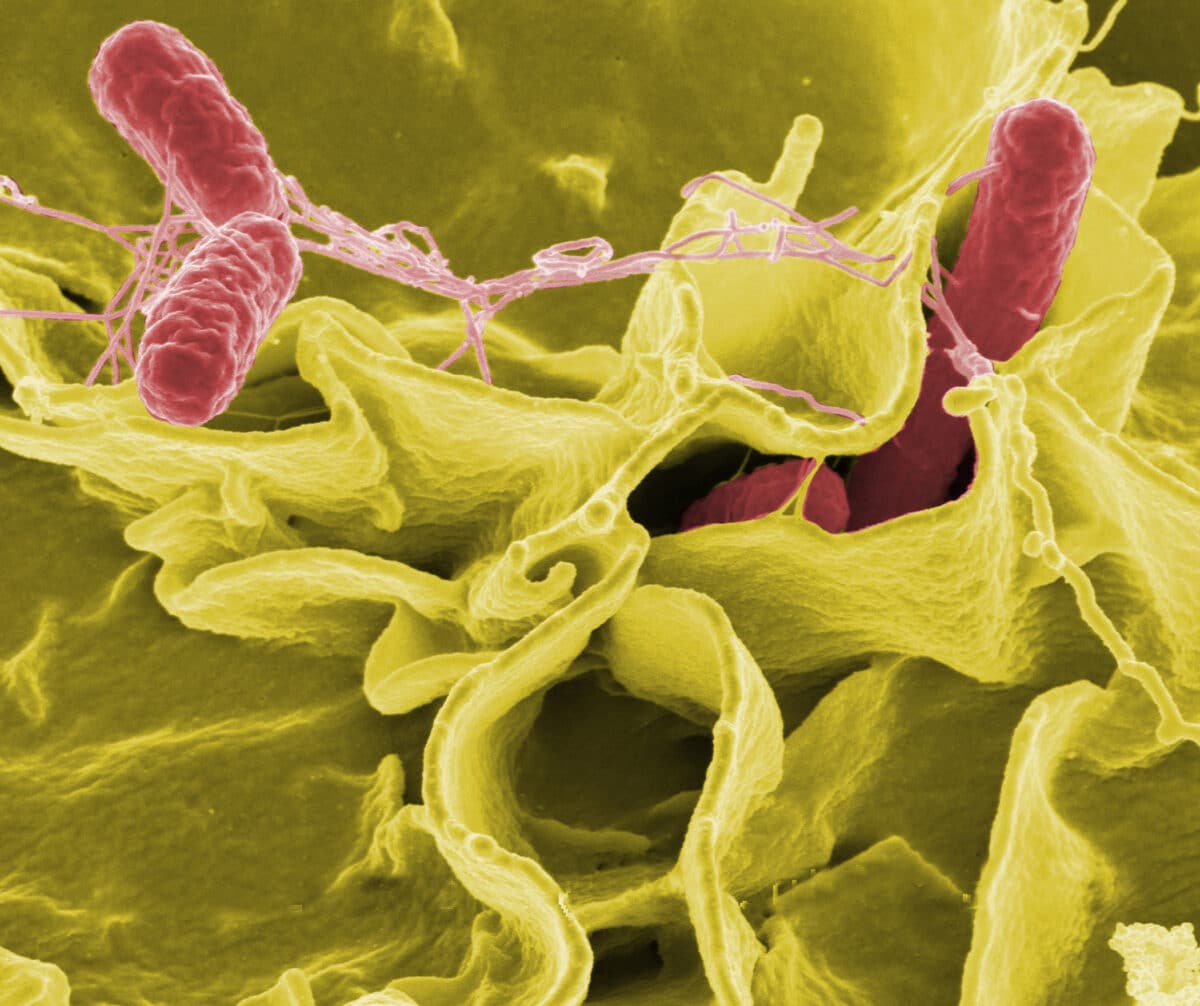
Salmonella Type post Author Jonathan McLatchie Date April 3, 2025 CategoriesEvolutionIntelligent Design Tagged , bacteria, bacterial flagella, biology, chromosomes, engineered systems, evolution, gene expression, genes, intelligent design, intelligent mind, proteins, recurring design logic, regulatory systems, RNA polymerase, Salmonella Transcriptional Hierarchies Exhibit Recurring Design Logic and Challenge Evolution Jonathan McLatchie April 3, 2025 Evolution, Intelligent Design 8 A transcriptional hierarchy is a regulatory system in which genes are expressed in a specific ordered sequence. Read More ›