supply chain Type post Author David Coppedge Date February 27, 2023 CategoriesBiologyEngineeringIntelligent DesignPhysical Sciences Tagged , algae, atmosphere, bacteria, biosphere, carbon, cells, cellular metabolism, Chinese Academy of Sciences, Greenland, heme, hydrogen, intelligent design, Michael Denton, neurons, nitrogen, nucleic acids, oxygen, phosphorus, PLOS ONE, Privileged Species, rare earth elements, supply chain, termites, The Miracle of Man, University of Pennsylvania, vitamin B12 How the Earth Operates Supply Chains for Life David Coppedge February 27, 2023 Biology, Engineering, Intelligent Design, Physical Sciences 8 It’s no help having essential elements in the Earth’s crust if they can’t get to the organisms that need them. Read More ›
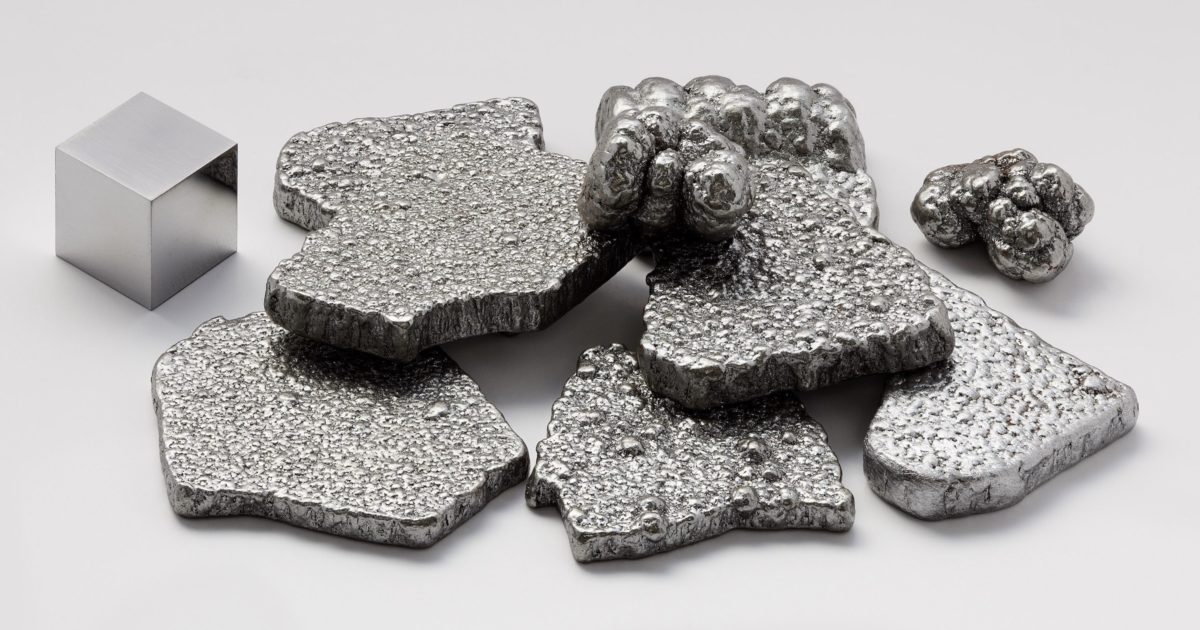
iron Type post Date January 25, 2022 CategoriesBiologyGeophysicsOrigin of LifeRare Earth Tagged , bacteria, biophysics, Cambrian Explosion, eukaryotes, evolution, geochemistry, geophysics, heme, hemoglobin, Howard Glicksman, intelligent design, iron, Mars, nutrients, oceans, Oxford University, oxygen, PNAS, supernova, toxicity, Washington University No Iron, No Life: Intelligent Design in Iron Availability Science & Culture January 25, 2022 Biology, Geophysics, Origin of Life, Rare Earth 9 As an exercise, count the number of lucky breaks that had to occur for the evolutionary story to work. Read More ›
red blood cells Type post Date June 28, 2021 CategoriesBiologyEvolutionIntelligent Design Tagged , cells, Darwinism, heme, hemoglobin, human body, lungs, mitochondria, oxygen, pandemic, PNAS, proteins, University of Bristol, University of Leicester “Designed for [a] Purpose” — Heme Production Defeats Evolution Science & Culture June 28, 2021 Biology, Evolution, Intelligent Design 9 Hemoglobin is well known as the molecule that transfers oxygen in blood, but its precursor, heme, is lesser known. Read More ›
cell circus Type post Date October 2, 2018 CategoriesBiologyIntelligent Design Tagged , __k-review, ATP, bacteria, bacterial flagellum, Brownian motion, cell biology, cellulose, heme, intelligent design, Nature Communications, PLOS Biology Dazzling Acts in the Cell Circus Science & Culture October 2, 2018 Biology, Intelligent Design 7 If life didn’t depend on these acts by cellular organelles and molecules, we would consider them death-defying performances in the greatest show on earth. Read More ›