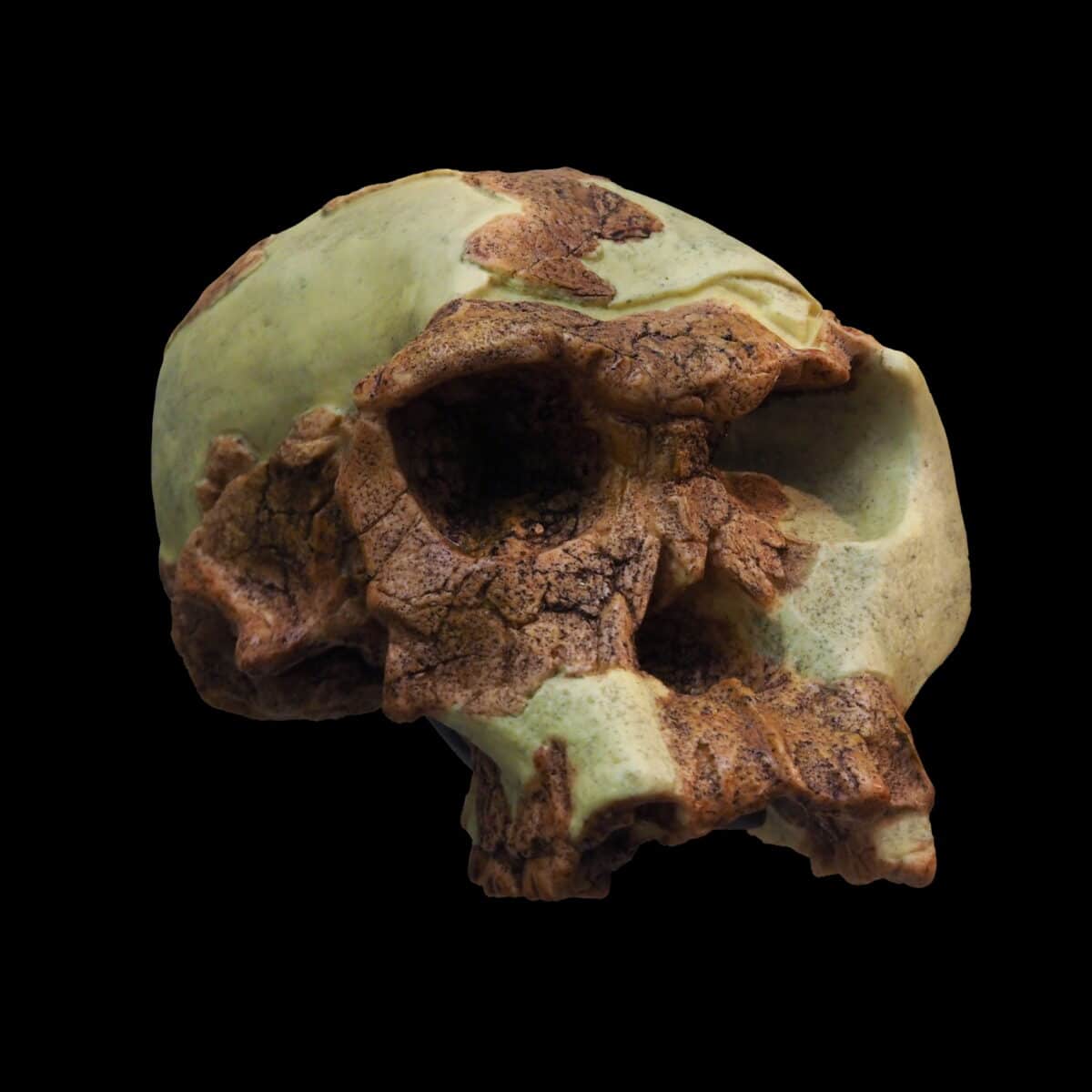
Homo-habilis Type post Author Casey Luskin Date September 26, 2025 CategoriesHuman Origins and AnthropologyPaleontology Tagged , __recommended, animal butchery, Annals of New York Academy of Sciences, Australopithecines, Australopithecus, computer vision, fossil record, holotype, hominids, Homo (genus), Homo erectus, Homo habilis, human origins, humans, hunting, IFL Science, leopards, meat eating, morphological traits, Olduvai Gorge, predator–prey relationship, Rice University, stone-tool making, taphonomy Not a “Turning Point”: Study Finds Homo habilis Was Hunted as Prey Casey Luskin September 26, 2025 Human Origins and Anthropology, Paleontology 8 The proposals of this study are very consistent with what we have long argued here. Read More ›
digital-media-browsing-on-computer-screen-hands-typing-on-ke-1095587270-stockpack-adobestock Type post Author Casey Luskin Date December 29, 2015 CategoriesComputational Sciences Tagged , __nedited, algorithmic specified complexity, computer vision, design filter, Evolutionary Informatics Lab, information theory, pattern, peer review, redundancy, Robert J. Marks, Robert J. Marks II, science, specified complexity, William A. Dembski Peer-Reviewed Paper Successfully Measures Specified Complexity in Computer Images Casey Luskin December 29, 2015 Computational Sciences 4 "Is information being created when we snap a picture of Niagara Falls?" Read More ›