





































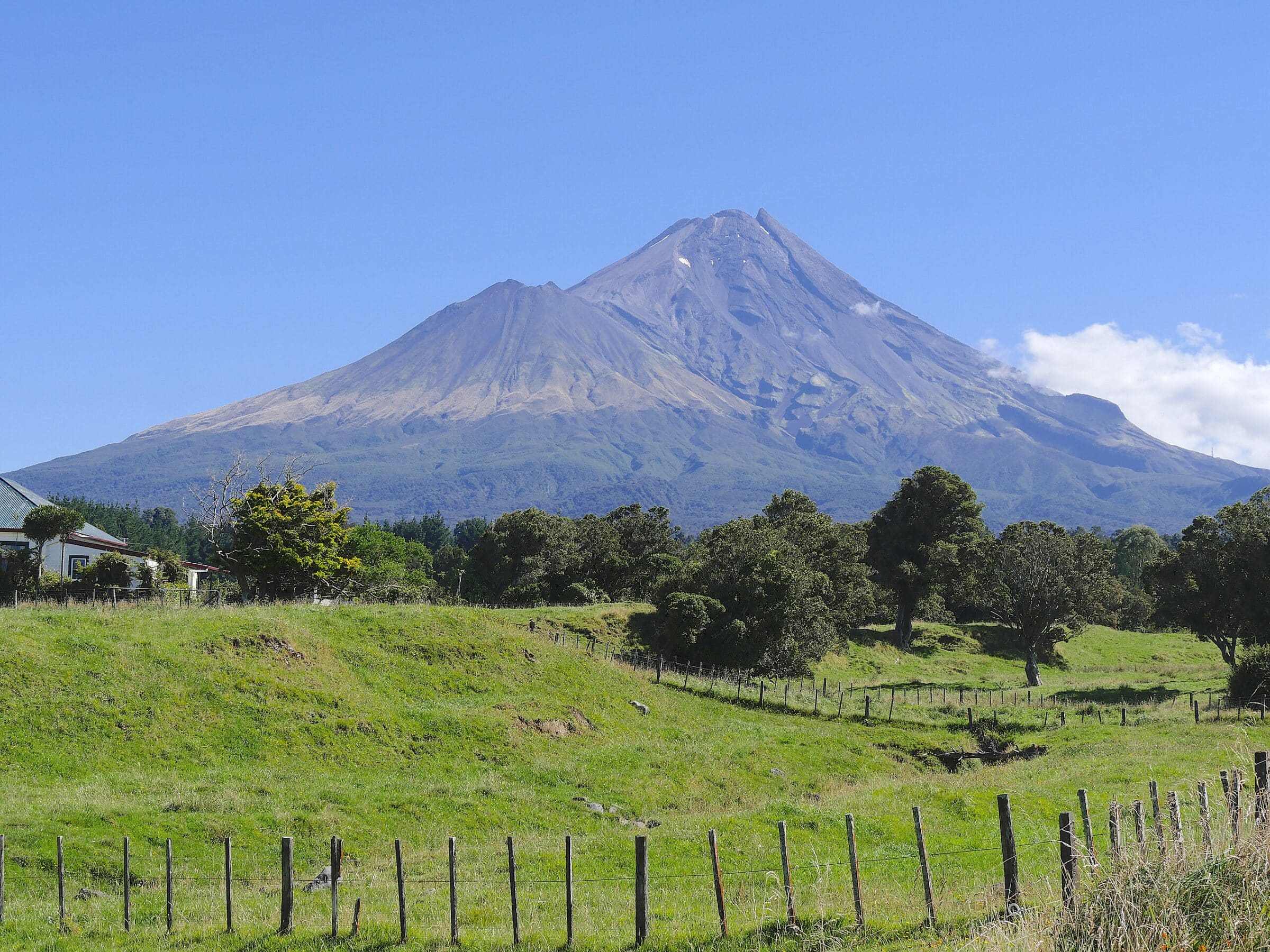
A New Zealand mountain sacred to the indigenous people of the island has been named a “person” with “rights” and “responsibilities.” From the AP story:
The law passed Thursday gives Taranaki Maunga all the rights, powers, duties, responsibilities and liabilities of a person. Its legal personality has a name: Te Kāhui Tupua, which the law views as “a living and indivisible whole.” It includes Taranaki and its surrounding peaks and land, “incorporating all their physical and metaphysical elements.”
A newly created entity will be “the face and voice” of the mountain, the law says, with four members from local Māori iwi, or tribes, and four members appointed by the country’s Conservation Minister.
This is irrational and illustrates how environmentalism is going off the rails. A geological feature has been declared to be a living person! Again!
Demoting Mankind — And That’s the Point
As I have written repeatedly, this movement is not limited to honoring indigenous mystical beliefs. “Nature rights” is part of the negotiations for a new UN environmental treaty. “Nature” has been accorded “rights” in several countries and more than 30 U.S. municipalities, including Santa Monica — where very little of nature still exists. Why? Because it is an ideological statement demoting mankind into just another animal in the forest.
And what responsibilities can the mountain possibly assume? Can it be sued for an avalanche? Ridiculous!
Look, I have absolutely no problem with laws that set aside large tracts of nature for conservation and protection against human uses. If the government of New Zealand wants to honor the Māori and make up for colonialism by protecting an indigenous sacred place, fine and good. But those public policy goals can be accomplished by declaring the mountain to be a nature sanctuary or national park — much as we have with Yellowstone. After all, we are protecting Old Faithful quite well without declaring the volcanic feature to be a person with rights.
The nature rights movement is spreading around the world and too many people still don’t take it seriously.
Cross-posted at National Review.