






































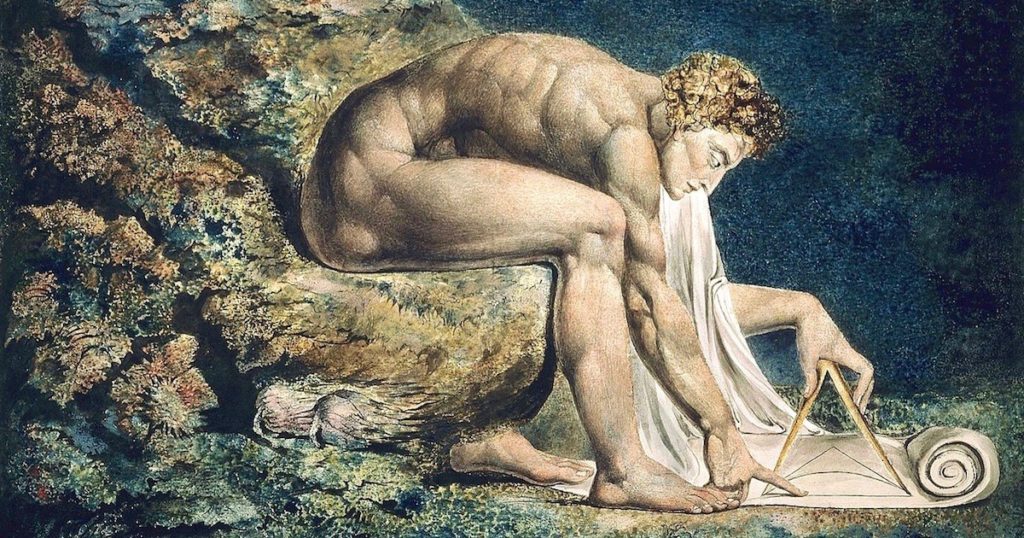
Philosopher of science Stephen Meyer talked with chemist James Tour about the origin of modern science, the life of Isaac Newton, and the crucial question of how and why the Scientific Revolution happened when it did. Meyer asks:
Why did science arise in its modern form with its distinctive systematic methods of investigating nature in 16th- and 17th-century Europe? Why there, why then? We had many sophisticated cultures before that. The Romans built roads and aqueducts. The Chinese had gunpowder and block printing. The Egyptians built pyramids. You had lots of sophisticated cultures prior to that period of time. Then suddenly you get figures like Johannes Kepler and Galileo and Robert Boyle and then Newton and many, many others. This period that historians have dubbed the Scientific Revolution was in fact quite revolutionary. There was a very systematic approach to investigating nature that arose at the time. And when historians have looked at that period, they’ve noticed that the material conditions for doing science existed in many cultures. So what shifted? What was the difference that made a difference?
Watch the full conversation here: