






































Against the backdrop of an upcoming presidential meeting with Korea’s Kim Jong Un, Discovery Institute’s Stephen Meyer has a striking proposal. Writing with Arthur Herman in the Wall Street Journal, he concisely argues for a cheap and technologically very attainable alternative to waiting passively to see what comes of North Korea’s growing ICBM collection.
Yes, this is Steve Meyer of Darwin’s Doubt and Signature in the Cell fame. Herman and Meyer argue for the use of drones to intercept missiles at boost phase:
Our existing ground-based missile-defense systems are designed to intercept intercontinental ballistic missiles during the later phases of flight. But missiles become harder to detect and destroy during later phases because they are colder, smaller, faster and capable of evasive countermeasures. Thus adding another layer of defense makes obvious sense.
The Pentagon’s Missile Defense Agency recognizes the need for boost-phase intercept capability and is developing a laser-based system. But the agency acknowledges it won’t be ready to implement until 2023 at the earliest. A drone-based boost-phase system can be developed within 18 months — soon enough to make a difference in the current standoff with North Korea.
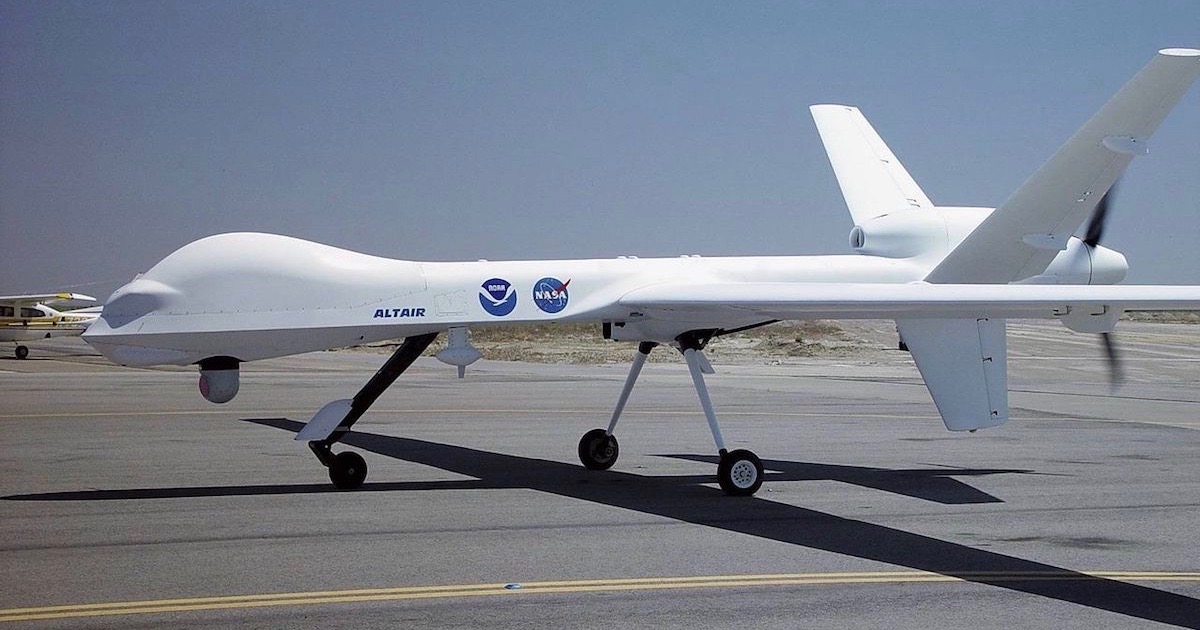
Here’s how the new system would work: Drones would circle above the Sea of Japan at roughly 45,000 feet for shifts of up to 20 hours. Detection systems the Air Force already uses on surveillance drones would pick up North Korean missiles soon after launch. Once operators identify a missile on a dangerous course, new high-speed missile interceptors launched from the drones would destroy the ICBMs during the boost phase — ensuring that any debris would fall onto or near North Korean territory.
The cost? “$100 million to develop — about 1% of the Missile Defense Agency’s annual budget.” It sounds like a very shrewd — OK, an intelligent — design for national defense. But Congress, to act on this in a timely way, is up against a looming budget deadline.
Let’s hope lawmakers listen. As the enthusiastic comments under the article make clear, possible objections to the idea are from politics, not technology. If you’re near a radio, Dr. Meyer will be on the Michael Medved Show at 2:30 pm Pacific time to talk about it.
Photo: A Predator drone, by U.S. Air Force [Public domain], via Wikimedia Commons.
