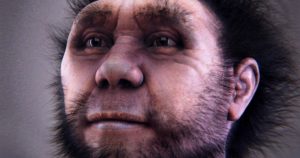
Homo erectus pekinensis Type post Author Casey Luskin Date October 31, 2022 CategoriesBiologyEvolutionHuman Origins and Anthropology Tagged , Allen Institute for Brain Science, Australopithecines, Australopithecus, brain size, Christof Koch, Ernst Mayr, Eurasia, evolution, fossil record, Fossils and Human Evolution (series), hominins, Homo erectus, Homo habilis, Homo sapiens, human origins, humans, Journal of Molecular Biology and Evolution, paleoanthropologists, Pleistocene, skulls, Southeast Asia The Big Bang Origin of Homo Casey Luskin October 31, 2022 Biology, Evolution, Human Origins and Anthropology 8 This unbridged gap between the ape-like australopithecines and the abruptly appearing human-like members of our genus challenges evolutionary accounts. Read More ›
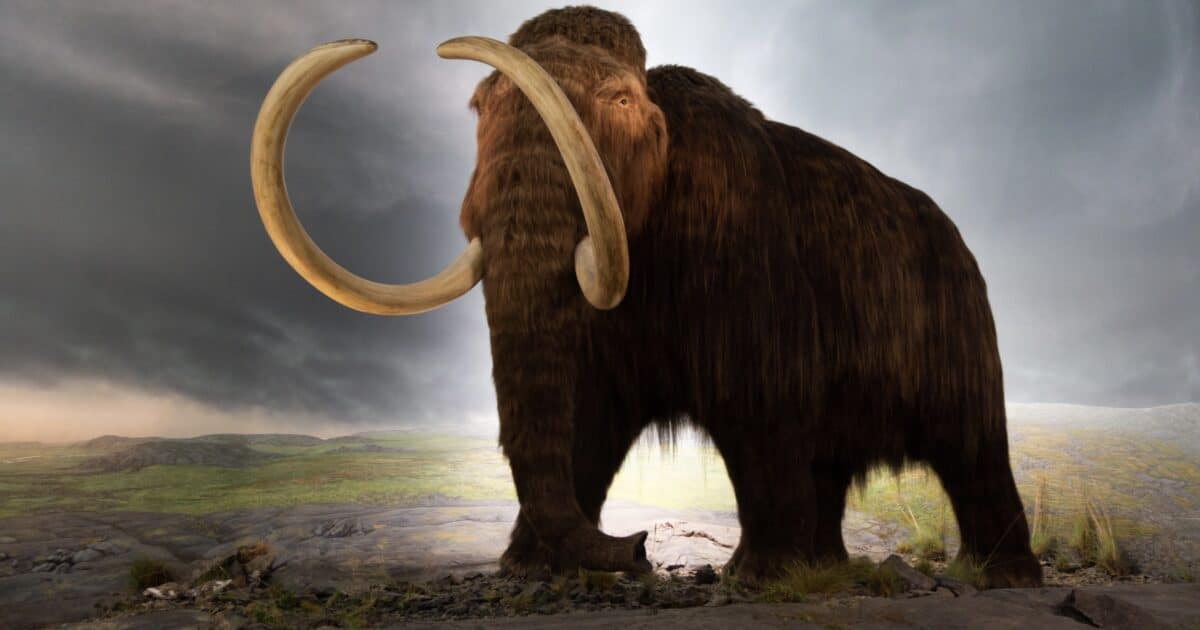
Mammoth Type post Author Michael Behe Date August 15, 2022 CategoriesEvolutionScience Tagged , Arctic, brown bear, Darwin Devolves, Darwinian processes, deletions, devolution, DNA, evolution, extinction, genes, genetic information, indels, metabolism, mutations, natural selection, Pleistocene, random mutation, Research, seal blubber, woolly mammoth, yeast Mammoth Support for Devolution Michael Behe August 15, 2022 Evolution, Science 6 The more science progresses, the more hapless Darwin seems. Consider woolly mammoth DNA. Read More ›
Glyptodon_old_drawing Type post Author Casey Luskin Date May 21, 2020 CategoriesArtsEvolutionary PsychologyHuman Origins and AnthropologyPsychology Tagged , behavior, bias, Biological Theory, circular reasoning, college students, environment of evolutionary adaptedness, evo psych, evolution, Gizmodo, hominids, human mind, human origins, ideology, music, Pleistocene, PZ Myers, Subrena E. Smith, The Evolution Institute, University of New Hampshire Biology Journal: Evolutionary Psychology Is “Impossible” Casey Luskin May 21, 2020 Arts, Evolutionary Psychology, Human Origins and Anthropology, Psychology 13 Did evolutionary scientists not understand these things already? Read More ›
girl riding a horse 2 Type post Author Ann Gauger Date June 6, 2018 CategoriesArtsIntelligent DesignMathematics Tagged , __k-review, beauty, Cicero, David Hume, Denis Dutton, evolution, Gerard Manley Hopkins, horse, Johann Sebastian Bach, monet, music, natural selection, neuroscience, New York Times, Paul Davies, Peter S. Williams, Pleistocene, sea urchins, sexual dimorphism, symmetry Beauty Leads Us Home Ann Gauger June 6, 2018 Arts, Intelligent Design, Mathematics 11 Why is the world a beautiful place and why does it touch me? Read More ›